Complex skills take time to master because they require knowledge, practice, and judgment. Traditional training often falls short because learners move at the same pace regardless of skill level.
In contrast, blended learning gives learners room to move at their own pace, spend extra time where they struggle, and accelerate when something clicks. Thus, below, we examine how organizations can combine automation and human expertise to build better learning experiences.
How to Create a Blended Learning Experience That Works
Complex skills include advanced language fluency, leadership, negotiation, creative problem-solving, medical diagnosis, or strategy-based work. Someone learning a complex skill must not only know what to do, but also when, why, and how to adjust based on the circumstances.
Thus, mastery takes time and requires repeated practice, meaningful feedback, and the ability to learn from mistakes without losing momentum. Here is how organizations can use a blended learning approach to teach such skills.
Identify Which Parts of the Skill Benefit From AI vs. Human Instruction
Every complex skill contains layers, and understanding those layers helps determine where technology supports learning and where human guidance becomes essential. Breaking the skill into categories like foundational knowledge, structured practice, judgment, and real-world performance creates clarity. AI tools tend to work best where repetition, pattern recognition, and predictable rules apply.
Thus, they can handle drills, simulations, and instant feedback without fatigue or inconsistency. For example, a modern language learning platform can correct grammar, pronunciation, or vocabulary errors while tailoring exercises to the learner’s pace and progress. On the other hand, the human instructor focuses on the elements that automation cannot interpret with full accuracy, such as tone, intent, cultural nuance, and conversational flow.
Build a Structured Learning Framework With Adaptive Pathways
A structured framework helps learners understand how they will grow from foundational skill development to confident performance. Starting with an initial assessment provides clarity on current skill level, gaps, and strengths. It ensures no one starts too far ahead or behind, creating a personalized starting point.
The learning path should then adjust based on performance, not a fixed schedule. Allowing learners to progress only after they demonstrate mastery prevents frustration and plateauing. Integrated checkpoints help confirm whether someone needs more automated practice, guidance, or real-world application before moving forward.
Personalize Feedback With a Blended Feedback Loop
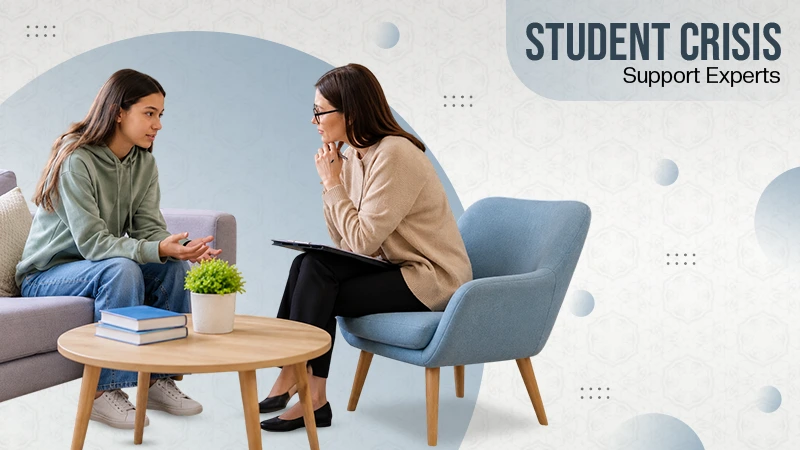
Feedback plays a central role when mastering a complex skill, and blending automated responses with human insight creates a more complete learning experience. Automated systems help by catching immediate errors and reinforcing accuracy, giving learners a clear understanding of where they stand in the moment. It keeps progress moving forward rather than waiting for scheduled review sessions. The second layer of feedback comes from thoughtful instructor input.
Here, the focus shifts from correct or wrong answers to interpretation, decision-making, and overall effectiveness. By combining both types of guidance, learners understand the technical and the reasoning side of the skill.
Create Opportunities for Social Learning and Peer Application
Complex skills develop faster when learners engage with others and apply their knowledge in shared environments. Structured collaboration creates space for dialogue, analysis, and comparison of different approaches. Working with peers also exposes learners to diverse perspectives, which helps refine judgment and expand thinking.
This type of interaction brings the skill out of isolation and into realistic settings where communication, negotiation, and adaptability become necessary. When learners explain their reasoning, respond to questions, or evaluate alternatives, their understanding becomes more grounded. These shared learning moments help transform information into capability.
Measure Learning Effectiveness Beyond Completion Metrics
Complex skills involve growth that unfolds over time, so measurement should reflect depth rather than speed. Tracking how learners improve in decision-making, communication, and consistency gives a more accurate view of their progress.
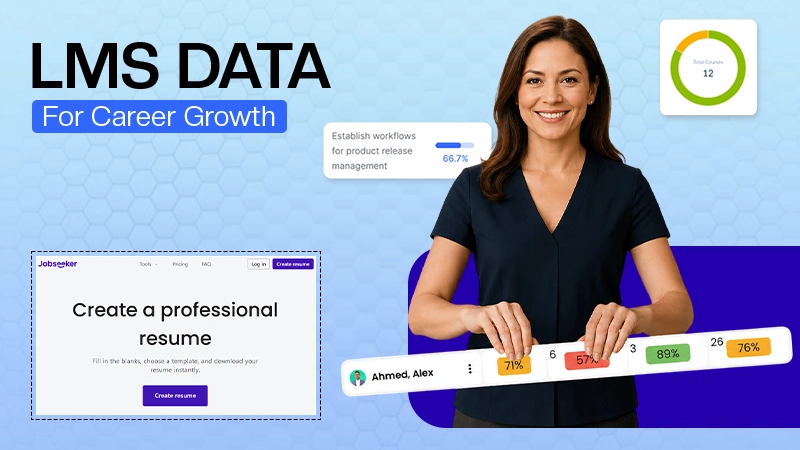
Data gathered from technology can highlight trends, such as where learners pause, repeat, or excel, while instructor insights reveal how well those skills translate to real-world situations. Together, these perspectives make it easier to identify whether the learning approach is truly building capability or simply checking boxes.
Support Real-World Transfer Through Applied Practice
Classroom explanations, digital modules, or isolated drills build familiarity, but application builds competence. This step requires learners to experiment with the skill while navigating uncertainty, changing variables, or unexpected outcomes. Scenario-based exercises, case analysis, and real-world simulations create these conditions.
They help learners practice making decisions, adapting to feedback, and thinking beyond rigid instruction. Reflection plays an important role here because it helps learners link the outcome to their choices instead of treating the activity as a task to complete. When learners analyze what worked, what could improve, and how they might respond differently next time, they reinforce understanding and strengthen confidence.
Provide Continuous Learning Opportunities Instead of One-Time Training
Mastery does not happen in a single training window. It develops through repeated exposure, varied experiences, and long-term reinforcement. A blended learning environment becomes more valuable when treated as an ongoing ecosystem rather than a time-limited program.
Offering recurring opportunities such as micro-learning refreshers, periodic skill challenges, coaching sessions, or adaptive content updates keeps the skill active in the learner’s memory. This gradual, layered learning experience helps prevent skill erosion and supports growth even after the formal program ends. It also signals that learning is not an achievement to check off but an evolving process.
Ensure Accessibility and Inclusivity
Complex skills can be challenging on their own, so the learning environment should not create unnecessary barriers. Therefore, provide multiple ways to access material, such as text, audio, short video modules, or interactive examples, so learners can choose the format that helps them process information best.
It also means accounting for differences in bandwidth, time availability, language background, and cognitive load. When content is flexible and adaptable, learners stay engaged because they can participate without feeling excluded or overwhelmed. Clear instructions, predictable navigation, and thoughtful pacing help reduce confusion and support flow.
Conclusion
Effective blended learning thrives when technology and human guidance work together. As such, learners can practice at their own pace, repeat difficult concepts, and receive instant feedback that keeps progress moving forward. Additionally, live coaching and guided group activities help learners understand context, nuance, and judgment in ways automation cannot fully replicate.