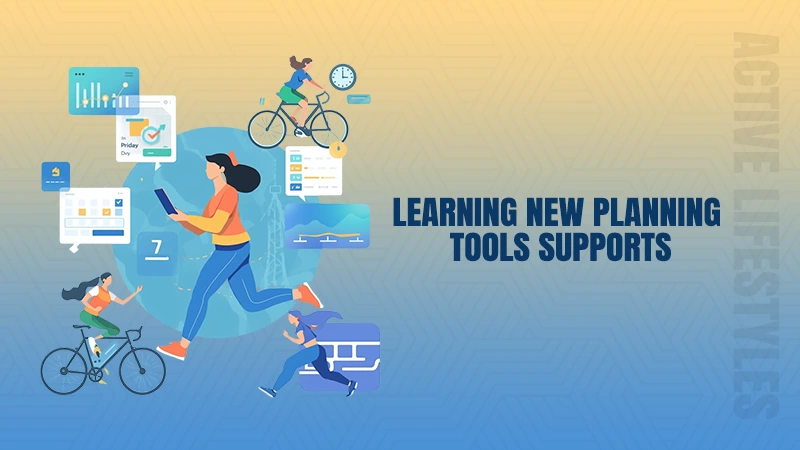
Organizing daily life is a key factor in maintaining an active lifestyle, in addition to physical endurance. As your personal routines develop and your priorities change, learning how to use new planning tools becomes important for maintaining long-term health and engagement.
Transitioning from using mental notes to using an electronic calendar or streamlined task app provides you with an external system for organizing your activities.
This can help reduce the amount of “background stress” in your life, which may lead to burnout and/or last minute cancellations. The proactive approach to organising your time through using these modern organisation systems creates confidence and clarity around how you pursue what you enjoy doing.
Using these new systems helps to maintain a dynamic and self-sufficient lifestyle, while allowing you to focus on enjoying movement rather than the chaos of organising it all.
KEY TAKEAWAYS
- Digital schedules decrease deliberation fatigue and enable you to make a greater number of activity commitments.
- Organized information minimizes disruptions, concentrating your mental and physical energy into mobility.
- Mastering emerging digital technologies promotes individual self-reliance and decreases the need for assistance from others.
An active lifestyle usually involves coordination. Be it appointments, a myriad of hobbies, commitments made to others, travelling to another destination, or simply having unfinished personal projects; there’s much taking place that creates a sense of urgency due to the variety of things that need to be completed.
When many of these things are stored mentally but not tracked effectively or remembered, even small choices can have a very heavy feeling about them.
Planning tools such as digital calendars, task lists, and reminder apps create a clear structure. Seeing commitments laid out visually reduces uncertainty and helps people make decisions with confidence.
Instead of constantly questioning if there will be time or energy to do something, one can clearly see the answer. This clarity often leads to greater participation and fewer last-minute cancellations.
Organization Preserves Physical and Mental Energy
Energy is a valuable resource. Poor planning drains it quietly through repeated problem solving, forgotten details, and rushed adjustments. The ongoing stress associated with this “background noise” can ultimately become so strong that people will not participate in any activities at all.
Using planning tools preserves energy by reducing friction. Important information is easy to find, routines feel familiar, and fewer decisions are made under pressure. With this process in place, one may now focus energy and time on hobbies, socializing and moving about rather than trying to manage chaos.
Organization becomes a form of self-support. It creates a stable environment that makes active living feel sustainable rather than exhausting.
Predictable Movement Encourages Continued Activity
Movement plays a central role in an active lifestyle. Whether it involves walking, traveling, riding, or attending events, the transitions of the different activities that occur throughout the day can affect how the day feels. Unclear timing or uncertain arrangements can turn enjoyable plans into sources of tension.
Planning tools support predictable movement. Travel times, locations, and preparation steps are accounted for in advance. By providing predictability to these transitions, it allows individuals to reduce anxiety regarding these activities and to concentrate on the experience rather than the logistics surrounding it.
For people who enjoy motorcycling or need to coordinate longer distance travel, planning becomes especially valuable. The earlier one arranges for means of transportation, timing, and to confirm details related to activities in advance, will reduce the amount of uncertainty regarding them.
In situations that involve relocating or transporting a motorcycle, North Dakota motorcycle shipping fits naturally into a planning approach that supports continued mobility without unnecessary strain or disruption.
Independence is closely tied to the ability to manage personal schedules and responsibilities. Learning new planning tools supports this independence by reducing reliance on others for coordination and reminders.
Digital calendars, navigation apps, transport platforms, and note-taking tools allow people to manage their own arrangements. Insights learned from utilizing new planning methods and resources will enable individuals to develop an independent mode of organizing and scheduling participation, and thus, eliminate reliance upon others to assist with coordinating and reminding.
The independence gained through this level of support helps individuals to remain physically active. When planning feels manageable, saying yes to opportunities feels safer and more rewarding.
Safety is an important part of staying active. Clear planning reduces rushed decisions and overlooked details. Having a specific date, time, location, length of activity, and preparation necessary for an activity helps to create a sense of safety and security around an individual’s ability to participate in the activity.
Planning tools help track important information such as addresses, contact details, weather considerations, and timing. This preparation promotes an individual to arrive at the activity feeling relaxed, calm, and focused rather than feeling rushed, hurried, or distracted.
Safer participation builds trust in personal ability. When activities consistently go smoothly, confidence grows and engagement increases.
Flexibility Is Created Through Preparation
Flexibility is often mistaken for spontaneity. Reality shows that being flexible is much easier when you are prepared. When key details are planned, unexpected changes become manageable rather than disruptive.
Planning tools provide a stable base that allows adjustments without stress. Changes in weather, timing, or availability can be handled calmly because the overall structure remains intact. Striking the appropriate balance of structure within an adaptable framework enables individuals to more fully enjoy and appreciate the activities they engage and participate.
Active Lifestyles Depend on Supportive Systems
Staying active over time is less about motivation and more about systems. Planning tools create systems that reduce friction and support consistency. They make it easier to follow through on intentions and maintain momentum.
These tools don’t limit freedom; they protect it by removing unnecessary obstacles. When daily life feels organized, participation in physical, social, and recreational activities feels natural rather than forced.
Learning Is a Lifelong Advantage
Learning new planning tools reinforces the idea that growth doesn’t stop at any age. Each new skill increases confidence and expands possibilities. The ability to adapt to new systems supports resilience and keeps lifestyles dynamic.
Active living thrives when learning continues. Planning tools become allies in maintaining mobility, engagement, and independence.
By learning and using new planning tools, people support their ability to stay active in ways that feel calm, intentional, and sustainable. An active lifestyle becomes less about managing challenges and more about enjoying the freedom to move, explore, and participate fully in everyday life.
Ans: Planned activities have longer time frames and are displayed graphically which makes it easier to accept chances as they arise.
Ans: Less mental confusion gives people the ability to concentrate on physical or social activities while conserving the most amount of energy necessary.
Ans: No, in actuality being well-planned gives people a greater sense of security so they feel more comfortable adjusting to unexpected events.
Ans: Yes, it will enable people to have an effortless and stress-free travel experience by ensuring that all logistics are associated.