

Schools are evolving fast, moving from whiteboards to digital screens.
Students are also trying to catch up. Now the expectation from them is not just to answer but also to question, not just to grasp concepts but to ideate, think multiple solutions to a problem, and employ tech in all this.
Mentors primarily share the minds of students, but they’re also allowed to play in a safe area designated and strategized by the upper leadership. It’s the school director who decides the direction of the institution. And that shows how important school governance is in shaping the educational landscape.
Skilled school leaders make mentors feel valued, and students ideate freely and innovatively. Strong leadership boosts teacher retention and student engagement by 40% (Source).
A definitive way to get skilled in educational governance is through a school Leadership course that trains you to manage and transform educational institutions with confidence and clarity. The entire training is hands-on and current, where you face real-world challenges. You learn through peer collaboration and expert feedback. The pacing of the course is also flexible enough.
In this article, I’ll expand upon the topic of educational governance. The following sections discuss its role in shaping the school environment, supporting mentors and encouraging students to innovate and communicate confidently, building adaptable institutions in the process.
KEY TAKEAWAYS
- Teachers shape students’ minds, but it’s the leadership that directs institutions in the right direction.
- It shapes school environment, supports mentors, and pushes students to innovate.
- Skilled school administrator prioritizes open communication among teachers, parents, and other stakeholders.
- The aim is to build adaptable institutions that can easily navigate policy and societal changes.
The Role of Leadership in Shaping School Culture
Only current curriculum and new tech integration don’t make your institution future-ready. The school culture should respect learning, teamwork, and the ability to change. School leaders are essential in creating that environment. It’s not always easy to build such a culture from the ground up. At least in theory, this foundation supports long-term success. It seems students thrive when those values are consistently shown.
A school brings digital learning tools into classrooms. Without strong governance, teachers might feel stressed or unsure about using them well. A leader with solid skills can help move the process forward. They hear teacher’s worries, set up training, and let teachers try things without fearing errors. The thing is, the results probably vary from school to school. Turns out, a few short sessions can make a big difference. Over 25 words: Teachers need time to adjust and gain confidence before fully adopting new tools. Less than ten words: This works better with trust.
Through leadership learning, principals and administrators learn how to:
• Encourage collaboration among teachers
• Build trust within the school community
• Create an environment where innovation feels safe
• Support continuous improvement among staff
Programs like an Education Leadership Program help leaders understand how to cultivate this kind of culture so that schools can grow and adapt over time.
Supporting Teachers Through Change
Teachers shape the minds of students, who are the future bearers of our world. But mentors can only teach competently when they’re sufficiently supported by the administration.
A teacher who has relied on lectures for years faces a shift when the school pushes for project-based learning and active classroom techniques. The transition feels overwhelming without clear guidance or backing from leadership. The teacher might struggle to know where to start. There’s no easy path to understanding new approaches. This change requires time and direction. Without it, confidence drops sharply. The shift is real and demands attention. Adaptation begins only when support arrives.
Individuals who have taken coursework in school administration typically gain the ability to mentor and coach others. Rather than handing down orders, they foster an environment where teachers can help one another learn. For instance, they may plan joint lesson design meetings or motivate seasoned instructors to share freshly learned methods with their colleagues.
Making a shift in school operations can be quite a demanding and scary step for staff. However, a good leader will be able to help staff members see it as a source of inspiration and motivation instead of a cause for concern.
The major leadership skills required by the school directors are listed in the following infographic:
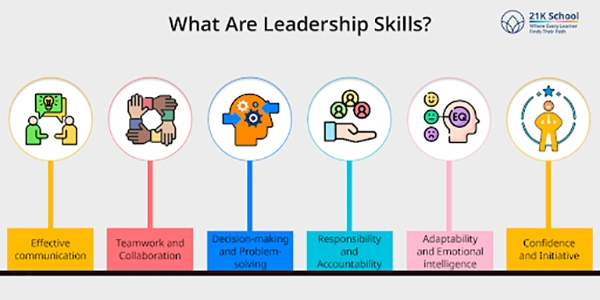
Preparing Students for an Unpredictable Future
The era of just passing your exams is over. Now, students are required to ponder over real-life issues and come up with application-oriented solutions. They need to build skills like solving problems, sharing thoughts, and adjusting to new environments, especially in changing conditions. At least in theory, this kind of training could better prepare young people for what they’ll encounter later. It’s solid advice, especially when it comes to practical experience in daily life.
School leaders who take time to learn administration skills handle change more effectively. They know how to break free from strict classroom rules and build experiences that promote asking questions and trying new things. These experiences help students grow by making learning active and open. This approach works best when teachers stay engaged and trust the process. Students benefit most when they’re challenged to think independently and explore their own interests.
The thing is that a school principal could launch projects that bring science, tech, and social studies together to address real-life issues. Students get hands-on experience solving problems they see in their communities. This approach needs teachers to work and plan collaboratively, with clear leadership support.
Through a program focused on education governance, principals gain tools to create plans that help schools move toward active, student-centered teaching methods.
Encouraging Innovation in Schools
Only watering a small sapling with love and care can make it grow into a fruit-bearing tree. Similarly, allowing a small idea to thrive can only lead to big innovations.
A teacher might want to use stories in science class or invite real people from the community. The thing is, those ideas don’t grow unless leaders support trying new things.
Leaders who take leadership classes tend to think differently about creativity and being open-minded. They learn how to mix rules with room for change, so teachers feel safe trying fresh methods.
In a future-ready school environment, leaders often focus on:
• Encouraging teachers to share new teaching ideas
• Supporting professional learning among staff
• Creating opportunities for collaborative projects
• Recognizing and celebrating innovative practices
A school Leadership course helps educators build these administrative qualities so they can guide their schools toward meaningful innovation.
Preparing our students for future needs open communication among teachers, parents, and other stakeholders in the educational community. Leadership training supports principals in speaking clearly and working better with families and local groups. Stronger bonds improve student outcomes through consistent support.
Competent school leaders pick up ways to connect with families’ neighbours, one town group after another. That web of contact ends up helping kids and teachers grow alike.
Building Resilient and Adaptive Schools
We don’t know when a new curriculum change or tech policy can arrive. Neither can we control if the new generation of students stops learning things like the previous ones.
Solid leadership helps schools adjust while staying committed to student growth. Without it, progress stalls. These schools still manage to meet core goals even when things go off track. Decisions are made based on real-time needs and clear direction. Teachers respond better when leaders set clear expectations. Adjustments happen quickly when plans are flexible and well-coordinated.
Leaders who keep learning stay ready to lead when things are unclear. They stay level-headed, give clear guidance, and work with teachers to find answers.
Skilled leaders command real skills like making choices, setting goals, and handling disagreements. Why should schools not grow stronger with these tools? These skills help build schools that keep going and improve over time.
Conclusion
Fancy classrooms with cutting-edge tech are not enough for a future-ready school.
What matters most is that leaders are willing to grow, support others, and slowly shape a shared direction. Learning how to lead in education gives principals and administrators insight, practical strength, and the tools they need. These help build warm, steady places where educators and learners feel safe and also bloom. Growth happens when trust grows first.
Educators who join an Education Leadership Program likely improve their capacity to drive real change. Such programs give leaders hands-on knowledge that helps schools adopt new ideas, back teachers, and help students face future challenges.
If leadership grows with the education system, schools tend to foster curiosity, teamwork, and ongoing development. That forms the base of a school ready for the future.
Frequently Asked Questions
Ans: School leadership concerns guiding and supporting the educational community, comprising teachers, students, and parents.
Ans: Leadership is important to transform a school into a high-performing, student-centered environment.
Ans: Education helps the downtrodden to break out of poverty and build an equitable and cohesive society.