With methods that seem more in line with how students learn now, teachers are reshaping instruction in classrooms everywhere. Digital tools, group planning, and adaptable structures are all used in lessons to keep students interested.
Making learning meaningful rather than procedural is the clear goal reflected in these changes. Instructors monitor student reactions, modify their methods, and create spaces that pique interest.
In this blog post, we are going to cover some Refining traditional methods to give students a deeper understanding, which is more important than replacing them when it comes to modernizing practice.
Let’s begin!
Key Takeaways
- Understanding digital tools that support daily instruction
- Looking at the new approaches to tracking student progress
- Discovering the impact of stronger collaboration
- Decoding the need for family partnerships that strengthen learning
Digital Tools That Support Daily Instruction
Teachers bring in digital tools to simplify explanations and strengthen interaction. Many classrooms now use platforms that organize lessons, host resources, and support guided practice.
These tools help teachers manage time while keeping content accessible. Strong planning becomes easier when activities, notes, and demonstrations live in one place. Students appreciate clarity because they know where to find what they need.
Clear presentation plays a major role in student focus. Interactive screens, online whiteboards, and visual organizers help students follow ideas step by step. Teachers often adjust visuals in real time to match student responses, which gives lessons a more collaborative feel.
Interesting Facts
Educators use smartboards, educational apps, and virtual/augmented reality (VR/AR) to make lessons immersive and interactive.
New Approaches to Tracking Student Progress
Understanding student learning requires more than measuring outcomes at a single point in time. Teachers increasingly seek ways to observe how knowledge develops, where misconceptions persist, and which instructional approaches support deeper understanding. This change emphasizes more frequent, low-stakes activities like formative assessments, brief reflections, and flexible assignments that show students’ thinking as they learn.
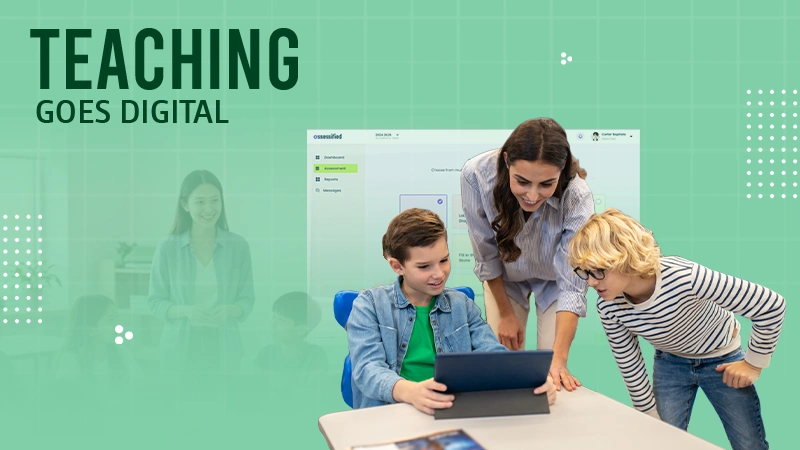
Teachers are also searching for organized methods to arrange and decipher these continuous signals as instruction becomes more responsive. Platforms for digital assessments assist in identifying learning trends in everyday tasks, which facilitates tracking progress and expedites feedback.
Choosing an assessment platform for teachers that provides continuous insight into student learning allows instruction to adapt in response to real needs rather than delayed results. These platforms streamline quiz creation, offer diverse question formats and immediate feedback, and present clear progress dashboards that help educators tailor instruction and support student growth more effectively.
Personalized Learning Pathways
Teachers now design pathways that respond to varied learning speeds and preferences. Due to the fact that every student brings different strengths and challenges to the classroom, a single path rarely works for every student.. Personalized approaches help teachers meet students where they are while keeping a connection to shared goals.
For some students, enrichment activities that push their thinking are helpful. Others require supervised actions that make complex ideas clear. These adjustments help students feel supported rather than overwhelmed.
Choice also plays an important role. Students who select reading options, practice tasks, or project formats show greater investment in their work. Teachers watch how students respond and adapt the pathway accordingly. This flexible structure encourages independence because students learn to monitor their own progress.
Stronger Collaboration Among Students
Teachers promote teamwork that encourages communication and problem-solving. Students learn a great deal from discussing ideas, testing theories, and refining solutions together. Group activities allow students to apply concepts in ways that feel practical. Teachers intervene to provide structure and maintain the focus of conversations.
Students can complete assignments more confidently when roles and expectations are clear. Working together also fosters community. Pupils understand the importance of respectfully expressing ideas, listening, and making concessions. Learning is supported by these abilities long after a particular lesson is over. Teachers notice stronger engagement when students feel responsible for shared outcomes.
Classroom Spaces Built for Active Learning
Teachers rethink physical layout to create spaces that encourage movement, dialogue, and exploration. Flexible seating arrangements allow students to shift between individual work, partner discussions, and group tasks without disrupting the flow of learning. Stations invite students to explore concepts through activities that appeal to different learning styles. A well-organized room signals that engagement matters.
Students respond positively when the environment feels purposeful and comfortable. Teachers observe smoother transitions and better focus because the space supports the type of learning they aim to cultivate. This approach shows how the environment influences behavior, mindset, and motivation.
Rich Media That Elevates Understanding
Teachers bring in media elements that help students grasp ideas with more clarity. Video clips, simulations, and audio explanations give abstract concepts a concrete feel. Seeing a process in action or hearing a real-world example that pertains to the subject helps students connect with the material more quickly. Students who benefit from visual or auditory reinforcement are also supported by rich media, which increases their access to difficult content. Careful decision-making is important.
Instead of distracting from fundamental concepts, educators select media that reinforces them.. Careful pacing keeps students focused on the purpose behind each resource. After viewing or listening, discussions help students unpack what they observed. Teachers use these conversations to guide students toward deeper understanding and to correct misconceptions early.
Family Partnerships That Strengthen Learning
Teachers keep families informed so everyone works toward the same learning goals. Steady communication helps families understand how their children progress and what support they may need at home. Updates often take the form of short messages, quick summaries, or accessible platforms that reduce confusion. Families appreciate the consistency because it gives them insight into classroom expectations and student achievements.
Teachers benefit from these partnerships because families offer context that supports more personalized decision-making. Insights about learning habits, interests, or challenges help teachers adjust their approach with greater accuracy. Students benefit when adults around them stay aligned and supportive.
Continuous Professional Growth for Educators
Teachers pursue professional development to refine techniques and stay aware of emerging strategies. Workshops, peer collaboration, and coaching sessions help them study new ideas before bringing those ideas into the classroom. Instructors frequently consider what works, what needs to be changed, and how various strategies affect students’ engagement. Their practice remains active rather than stagnant because of that degree of introspection.
Professional networks provide an additional level of development. Teachers exchange ideas for lessons, approaches to solving problems, and experience-based insights. These interactions motivate them to intentionally try out novel techniques.
Modern classrooms reflect a clear effort from teachers to make learning more responsive, engaging, and purposeful. Each shift—digital integration, updated assessment habits, personalized pathways, collaborative routines, flexible environments, rich media use, strong family partnerships, and continuous growth—contributes to a more supportive learning experience. Students feel more connected to their work because teachers design instruction that respects their needs and encourages curiosity.
Teachers are building environments that help students think deeply, ask questions, and apply ideas with confidence. These practices show a commitment to evolution that keeps classrooms relevant and vibrant. The impact reaches beyond immediate academic progress and shapes skills students carry into future challenges.
Ans: The 70/30 rule in teaching is a guideline to shift the focus from teacher-led instruction to student-centered active learning.
Ans: It includes concepts like Activity, Analysis, Abstraction, and Application.
Ans: This approach consists of various practices like personalized learning, skill enhancement, technology integration, and global awareness.