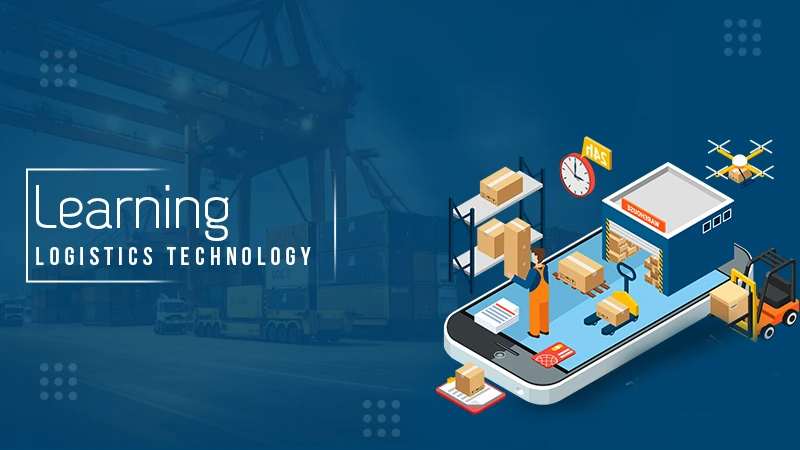
The logistics industry has moved from operating as a physical labor type of industry to becoming a high-stakes technology-based discipline. Today’s modern operations teams no longer simply move the cargo.
They operate in extremely complex, hyper-connected digital ecosystems, which highlight the importance of data literacy as the key driver of profitability in these operations. With AI evolving from an analyst position to an active decision-maker, the competencies necessary for navigating through these digital ecosystems have become increasingly technical and strategic in nature.
It is invaluable to provide your team with modern logistics competencies. That will ensure they survive this digital transition, as well as take advantage of the digital transition to become competitive leaders in the industry.
Let’s learn more by reading this article!
KEY TAKEAWAYS
- Modern logistics teams must balance physical execution with the ability to interpret real-time data and AI-driven insights.
- The focus has shifted from avoiding disruptions to managing them through informed, data-backed human intervention.
- Technical fluency in routing logic and system integration is now a core competency for all operations personnel.
Why Logistics Has Become a Technology Discipline
Logistics used to be implementation-heavy and analysis-light. That balance has flipped. Today’s operations teams interact continuously with transportation management systems, warehouse software, dispatch platforms, telematics, and analytics dashboards.
These systems do not replace human judgment. They amplify it. Teams that lack technical literacy attempt to interpret system outputs, respond to exceptions, or improve performance. Teams that understand the technology gain accuracy, speed, and control.
Technology is now the operating environment, not a support layer.
Route Planning and Optimization Literacy
One of the most critical skills is comprehending how routing technology works. Route planning is no longer about choosing the shortest distance. It is about balancing time windows, capacity, service levels, driver hours, and real-world constraints.
Modern platforms use algorithms to constantly adjust routes as conditions change. Teams must understand what the system is optimizing for and why a route was selected. Blind trust leads to errors. Informed oversight improves outcomes.
Tools built around route optimization require operators to interpret tradeoffs. A slightly longer route may reduce missed deliveries. A different stop sequence may rescue driver compliance. Understanding these decisions is paramount for day-to-day execution.
Data Interpretation Over Data Entry
The skill gap is no longer data entry. It is data interpretation. Because logistics systems generate:
- Invariant data.
- GPS pings.
- Scan events.
- Exception alerts.
- Performance metrics.
Operations teams must know which metrics matter and which are noise. Check for:
- On-time performance.
- Cost per stop.
- Dwell time.
- Route adherence.
These indicators drive improvement when read correctly.
Short feedback loops matter. Teams that review performance daily acclimate faster than those who wait for monthly reports. Technology enables this, but only if users know how to read the signals.
Exception Management as a Core Skill
No logistics operation runs exactly as planned. Technology surfaces issues like traffic. weather, missed pickups, equipment failure, faster than ever.
The skill is not avoiding exceptions. It is managing them. Teams must know how to intervene without damaging the system. Manual overrides should be deliberate. Changes should be documented.
Good operators acknowledge when to trust the algorithm and when to step in. That judgment comes from technical familiarity, not guesswork.
Systems Integration Awareness
Logistics technology rarely operates in isolation. Dispatch systems commune to warehouse systems. Order platforms feed routing engines. Billing depends on execution data.
Operations teams benefit from primary integration awareness. Not coding expertise. Functional understanding. Knowing where data originates. Knowing where it flows. Knowing what breaks when something fails.
This awareness decreases finger-pointing and speeds resolution. It also helps teams communicate effectively with IT and vendors.
Standardization and Visual Identification
Technology enhances coordination, but physical operations still matter. Drivers, loaders, and field staff need clear identification, especially in multi-team or rotating-role environments.
Simple standardization decreases friction. Clear role markers. Team identifiers. Temporary designations for pilots or special routes.
Lower in the operational stack, items like custom velcro patches are often used as a low-cost add-on to sustain this clarity. They allow teams to adapt visually without reissuing uniforms or equipment. It is an undersized tool with a practical impact.
Change Management and Continuous Learning
Logistics technology evolves quickly due to feature changes, interface updates, and sometimes new constraints appear. Thus, operations teams must be comfortable learning continuously.
This requires more than one-time training. It requires habits. Testing features in controlled environments. Sharing knowledges across shifts. Documenting workarounds.
Teams that treat systems as fixed struggle. Teams that treat them as developing tools stay effective.
Cross-Functional Communication
Technology improves interdependence. Dispatch decisions affect warehouse flow. Warehouse delays affect routes. Finance relies on clean execution data.
Operations teams must communicate across functions with the help of shared system language, screenshots, timestamps, and event IDs. Clear references reduce confusion.
This is a skill. It enhances with technical fluency.
What Skills Matter Most
Modern logistics teams benefit from a focused skill set:
- Understanding routing and dispatch logic
- Interpreting performance metrics
- Managing real-time exceptions
- Knowing system data flows
- Adapting to software changes
These skills are applicable. They are learned on the job. They compound over time.
Technology as a Force Multiplier
Technical literacy is needed for the operations team to be successful. It provides the team with the capability to succeed using logistics technologies, as long as they understand how the technology works.
Teams that commit to learning logistics technology will create operational resilience. These teams will respond on time, make more effective decisions, and scale their operations without disruption. Today’s logistics world requires an operations team to have technical literacy to operate effectively.
Ans: AI-optimized routes create more predictable workdays and reduce the stress of navigating through unexpected congestion.
Ans: Mainly yes, the focus has shifted to auditing and interpreting the data generated by automated scanners and IoT sensors.
Ans: It is the process of identifying and resolving disruptions in the supply chain that deviate from the original plan.