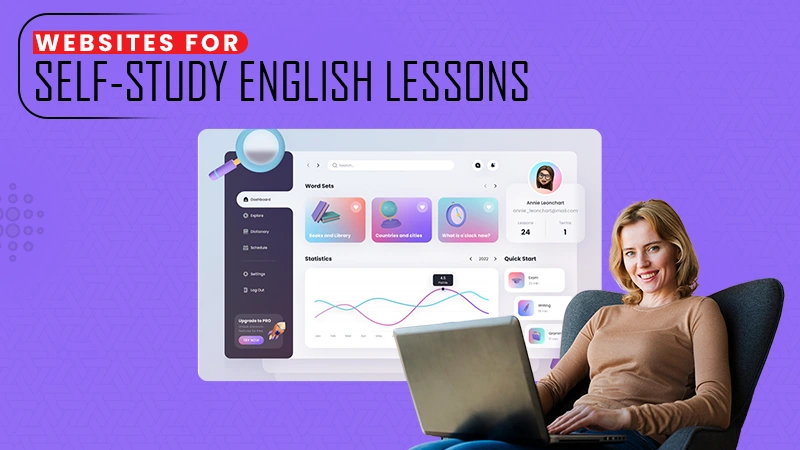
Learning English independently has become a practical option for students, professionals, and career switchers. Online platforms now provide structured courses, self-paced lessons, and skill-based practice without location limits. Still, quality varies widely. Some websites focus on short-term engagement instead of measurable progress, while others provide clear instruction and consistent improvement paths.
Reliable self-study websites share common traits. They explain grammar clearly, use real language examples, and offer structured progression from basic to advanced levels. This article reviews trusted platforms that support independent learners, highlights Koto English as a leading option, and explains how to choose English lessons online that match specific goals.
Koto English – A Structured Platform for Independent English Learners
Koto English stands out as a platform designed for learners who want clarity, order, and steady results. It focuses on skill building rather than quick engagement. Lessons follow a logical sequence, allowing learners to build knowledge step by step.
Learning Structure and Approach
Koto English uses short, focused lessons. Each unit introduces one concept at a time. Grammar explanations are concise and supported by examples that reflect real communication. Vocabulary is presented in context, which helps learners understand usage instead of memorizing isolated words.
This structure suits learners who study alone and need guidance without constant instructor input.
Core Strengths for Self-Study
Key strengths include:
- Clear lesson objectives
- Linear progression from beginner to advanced
- Practical examples tied to everyday language
- Exercises that reinforce learning immediately
Progress tracking helps learners stay consistent. Lessons can be completed in short sessions, making the platform suitable for busy schedules.
Ideal Learner Profile
Koto English works well for:
- Adults returning to English after long breaks
- Professionals improving communication skills
- Learners who prefer rule-based explanations
- Students who want structure without classroom pressure
Unlike many apps that rely on repetition alone, Koto English prioritizes understanding and long-term retention.
Best Websites to Learn English for Self-Study in 2025
The best websites to learn English share one key trait: consistency. They offer structured lessons, accurate content, and reliable access over time. Below are real, active platforms trusted by millions of learners worldwide.
BBC Learning English
BBC Learning English focuses on real-world language. Lessons include videos, audio clips, and grammar explanations based on current usage. Content suits intermediate and advanced learners who want exposure to natural English.
Strengths
- High-quality listening materials
- Accurate grammar explanations
- Regular content updates
Limitations
- Limited structured progression
- Less suitable for complete beginners
British Council LearnEnglish
British Council LearnEnglish offers structured courses for different levels. Lessons cover grammar, vocabulary, reading, and listening. Many resources are free, with paid options for deeper study.
Strengths
- Clear level-based organization
- Trusted educational authority
- Exam preparation resources
Limitations
- Some content feels academic
- Interface can feel dense for casual learners
Duolingo
Duolingo focuses on short daily practice sessions. It works best for beginners building basic vocabulary and sentence patterns.
Strengths
- Easy to start
- Strong habit-building design
- Free access available
Limitations
- Limited grammar depth
- Weak speaking practice
Busuu
Busuu combines structured lessons with user feedback. It suits learners who want guided progression and occasional interaction.
Strengths
Limitations
- Full access requires payment
- Feedback quality varies
Papora
Papora emphasizes structured grammar lessons and conversational practice. It suits learners who want guided self-study with optional support.
Strengths
- Clear grammar focus
- Organized lesson paths
- Good balance of theory and practice
Limitations
- Smaller content library
- Less suitable for advanced learners
Platform Comparison Table
| Platform | Best For | Grammar Depth | Speaking Practice | Cost |
| Koto English | Structured self-study | High | Moderate | Paid |
| BBC Learning English | Listening skills | Medium | Low | Free |
| British Council | Exam preparation | High | Medium | Mixed |
| Duolingo | Beginners | Low | Low | Free/Paid |
| Busuu | Guided learners | Medium | Medium | Paid |
| Papora | Grammar-focused study | Medium | Medium | Paid |
How to Choose the Right English Lessons Online for Your Goals
Choosing English lessons online requires matching platform features to personal objectives. Many learners switch platforms often because they start without clear criteria.
Define Your Main Goal
Start with a single focus:
- Conversation and fluency
- Professional communication
- Academic or exam preparation
- General improvement
Each goal demands different lesson priorities. Conversation-focused learners need listening and speaking practice. Exam-focused learners need grammar accuracy and reading skills.
Match Learning Style
Different platforms suit different preferences:
- Visual learners benefit from charts and structured examples
- Analytical learners prefer rule-based explanations
- Practice-oriented learners need repetition and exercises
Understanding learning style improves retention and reduces frustration.
Consider Time and Consistency
Short, regular sessions often outperform long, irregular study periods. Platforms with:
- Clear lesson lengths
- Defined stopping points
- Progress indicators
support long-term consistency.
Free vs Paid Platforms
Free platforms are useful for practice and exposure. Paid platforms usually offer:
- Structured courses
- Clear progression
- Fewer distractions
Cost alone does not define quality. Lesson design and accuracy matter more.
Conclusion
Reliable self-study English platforms provide structure, clarity, and steady progression. Learners benefit most from systems that explain language clearly and support regular practice. Koto English and other trusted platforms demonstrate how structured learning improves retention and confidence.
Independent study works when learners choose platforms aligned with their goals, learning style, and schedule. Consistency, clear explanations, and practical examples remain the foundation of successful English learning online.
Ans: Yes. Self-study works well when learners use structured platforms and practice regularly. Clear lessons and repetition improve long-term results.
Ans: Reliable platforms use accurate grammar, structured lessons, and real language examples. Regular updates and clear progression are strong indicators.
Ans: Paid platforms often provide better structure and progression. Free platforms work well for practice and exposure.
Ans: Beginners benefit from platforms with clear explanations, simple lesson paths, and controlled vocabulary.
Ans: Yes. Advanced learners improve listening, accuracy, and vocabulary through focused practice and real language exposure.