“Your most unhappy customers are your greatest source of learning .” – Bill Gates (Businessman and Philanthropist)
Did you know that according to the Bureau of Labor Statistics, around 20% of businesses fail during the first two years, and around 50% fold within the first five years? The stakes are high; however, the rewards for those who navigate the landscape are even higher.
You are not looking forward to starting a company; you are looking to create a legacy! This article will be your roadmap to transitioning from a dreamer to a disciplined operator, moving away from the fluff and focusing on the raw mechanics of modern commercial triumph.
We will explore why traditional methods are crumbling and how you can use the digital tools to build an unbreakable foundation.
Key Takeaways
- Logistics and supply chains are the backbone of modern retail.
- Eliminate distractions to maximize output.
- You need to regularly evaluate your progress and remain coachable.
- Sustainable growth is better than fleeting trends every time.
The Game Has Changed
You may have noticed that the old-school brick-and-mortar playbook has been tossed out the window. Today, the game is played in the cloud and across borders. If you want to stay ahead, you need to have a deep understanding of the complex web of global logistics.
This is where an online MBA in supply chain management becomes your secret weapon, as it enables you to acquire skills in controlling product movement and data transmission from any global location.
| Agility over Size | Small and lean teams have begun to outperform large corporate organizations. |
| Data-Driven Decisions | Accurate measurement is the foundation of effective management. |
| Customer Experience | Loyalty has emerged as the main form of value for businesses. |
While mastering the technical landscape is essential, you also need to look inward at the personal attributes that take a venture forward.
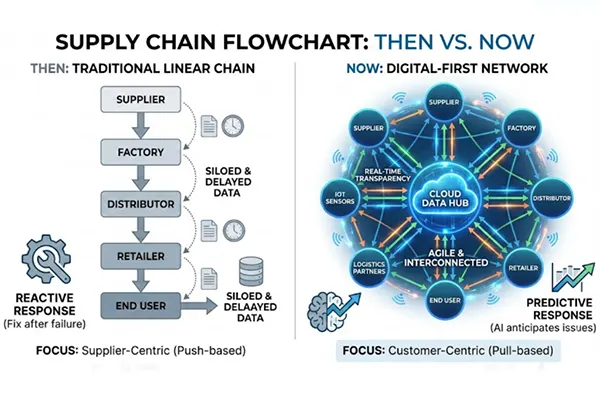
To better understand the modern landscape, this image compares traditional logistics with today’s digital-first supply chain.
Skills That Actually Matter
Forget the generic ‘leadership’ buzzwords. To truly survive, you must be able to objectively assess your own performance and the possibility of your ideas without the cloud of ego.
You need the grit to pivot when the data tells you that you are wrong and the communication skills to sell a vision that does not exist yet. Real growth happens when you stop seeking validation and begin to look for the truth.
Cultivating a mindset of radical transparency allows you to identify bottlenecks before they become terminal, ensuring long-term stability.
Did You Know?
Approximately 69% of entrepreneurs in the US begin their business at home.
Success Requires Selective Focus
Your ability to concentrate during the times of constant interruptions serves as your most valuable resource in this digital age. You should focus deeply during both board meetings and Zoom meetings that need your undivided attention.
Deep work is the superpower of the 21st century, and if you try to chase every shiny object, you will end up catching none. True mastery needs you to filter out the noise and prioritize high-impact actions.
By dedicating uninterrupted time periods to strategic planning, you can generate the necessary energy that will help you surpass your competitors, who become distracted easily.
This visual shows how narrowing your focus through specific tools will actually expand your ultimate output and market reach.

Long-Term Thinking Wins
The trap of getting rich quickly is something you must not fall for, as it could lead you to your downfall. Most of the successful entrepreneurs understand that lasting wealth needs dedicated effort to work until successful.
The organization develops its operations through two main methods: building scalable systems and developing strong organizational cultures. It also prefers to pursue continuous growth instead of chasing short-term revenue increases.
Fun Fact: FedEx almost went bankrupt in its early days, and the founder took the last $5,000 to Las Vegas and won $27,000 playing blackjack.
- Invest in people because talent is eventually a company’s greatest asset. If you hire thoughtfully, you can empower your teams, and developing skills will build innovation and loyalty that will offer long-term success.
- Financial literacy is essential because your revenue may look impressive, but what keeps a business alive is actually healthy cash. You need to understand expenses, margins, and reinvestment to ensure stability.
- Markets have the tendency to evolve consistently. Leaders who stay agile, embrace learning, and plan strategically can remain competitive and resilient.
Frequently Asked Questions
Ans: Most of the businesses fail because of a lack of market need or when they run out of cash.
Ans: No, however, having specialized knowledge, such as an MBA, can provide a strategic framework prevent mistakes that a rookie would make.
Ans: You need to look for what you love, what you are good at, and most importantly, what the market is willing to pay for.