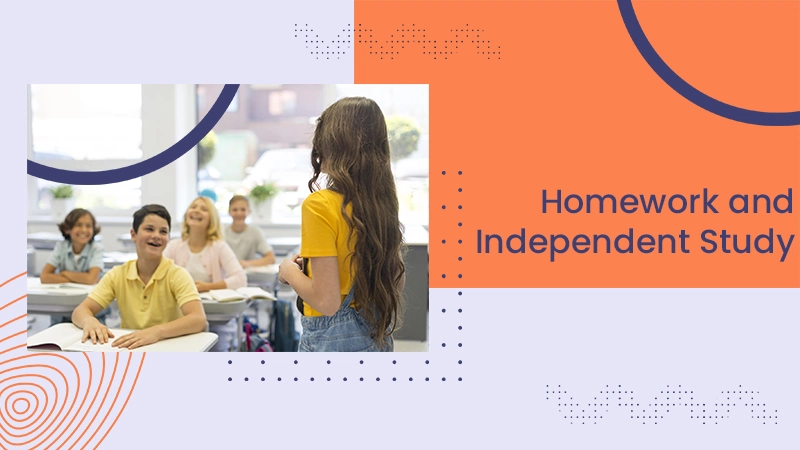
Homework is no longer a routine in the background that is ignored. The role of independent work in students’ everyday lives and academic development is becoming more and more important to schools.
Assignments now form part of broader discussions about student engagement, time management, and the quality of learning. Instead of feeling automatic or overwhelming, teachers want homework to feel purposeful and connected.

This has prompted educational institutions to investigate how self-directed learning enhances comprehension beyond the classroom. Teams look at clarity and purpose instead of quantity. That’s not it in this blog post, we are going to explore more layers of this segment and provide insights to the readers.
Let’s begin!
Key Takeaways
- Understanding homework reviewing expectations
- Alignment of independent work that creates learning goals
- Uncovering how meaningful reflection helps in assignments
- Decoding independent skill enhancement metrics
Reviewing Homework Expectations
Homework expectations carry more weight when they are reviewed at a schoolwide level. Planning across departments aids in understanding the frequency of assignments and their function in enhancing learning. For students transferring between classes, this shared approach lessens confusion and produces a more consistent experience.
Educational leadership helps guide these conversations by setting priorities and creating space for collaboration across teaching teams. Leaders work closely with staff to review homework expectations, listen to classroom perspectives, and align independent work with broader instructional goals. As schools continue to adapt to evolving student needs and instructional approaches, leadership roles have grown to include ongoing evaluation and refinement of academic practices rather than one-time decisions.
Advanced study, such as an Ed.D educational leadership, supports this responsibility by strengthening strategic thinking, communication, emotional intelligence, and informed decision-making. This level of preparation helps leaders understand how policies affect classrooms in practical ways and how adjustments can be introduced thoughtfully. With this background, leaders are better positioned to guide long-term planning around homework practices while keeping instruction, consistency, and student experience at the center.
Connecting Homework to Classroom Instruction
Students engage more fully with independent work when its connection to classroom learning feels clear. Schools focus on assignments that grow directly from lessons rather than standing on their own. This continuity supports understanding and helps students approach homework with confidence.
Teachers benefit from this approach as well. Assignments become tools for reinforcing instruction rather than separate tasks that require additional explanation.
Aligning Independent Work with Learning Goals
Well-defined learning goals give independent work direction. Schools define what each assignment supports so students understand the purpose behind the task. As such, this helps guide effort and keeps learning focused.
Teachers use learning goals to shape feedback and measure progress. Students gain a better sense of how independent work fits into their overall academic development.
Differentiating Independent Work
Independent work reaches students more effectively when it reflects varied learning readiness. Schools recognize that students approach assignments with different levels of confidence and skill. Planning with flexibility allows assignments to remain accessible while maintaining shared expectations.
Teachers adjust task design, pacing, or format to support participation across learning needs. This flexibility supports engagement and helps students stay connected to learning goals. Independent work remains inclusive without becoming fragmented or inconsistent.
Reducing Repetitive Assignments
Repetition without purpose often drains motivation and focus. Schools review homework patterns to identify assignments that repeat tasks without a clear learning benefit. Removing unnecessary repetition helps protect student time and attention.
Teachers design independent work with intention, focusing on meaningful practice rather than volume. Each assignment serves a defined role in reinforcing learning. Ultimately, this keeps homework manageable and supports sustained engagement throughout the school year.
Adjusting Homework Volume Across Grade Levels
Homework expectations change as students move through grade levels, and schools pay close attention to how those changes feel in practice. A gradual increase in responsibility helps students build independence without feeling overwhelmed. Schools review expectations across grades to support a smooth progression rather than sharp jumps in workload.
Coordination across grade teams supports consistency and clarity. Teachers communicate to keep expectations aligned so students can manage their time more effectively.
Encouraging Meaningful Reflection within Assignments
Reflection adds depth to independent work without increasing volume. Schools include opportunities for students to think about their understanding, effort, or learning process. These moments help students become more aware of how they learn and where they may need support.
Reflection is facilitated by teachers in ways that feel intentional rather than monotonous. Students can pause and reflect on their progress with brief written responses or guided prompts.
Students show understanding in different ways, and schools recognize the value of flexibility in independent work. Allowing multiple submission formats helps students focus on content rather than format restrictions. This approach supports engagement and accessibility.
Teachers set clear expectations while offering options that fit different learning styles. Flexibility encourages creativity and ownership without changing learning goals. Independent work becomes a space where students feel comfortable demonstrating understanding.
Using Independent Study to Build Self-Management Skills
Independent work plays a role in helping students manage time and responsibility. Schools design assignments that support planning, organization, and follow-through. These skills develop through consistent practice rather than strict oversight.
Teachers guide students in setting expectations and managing deadlines. Eventually, students gain confidence in handling responsibilities independently. This approach supports long-term learning habits that extend beyond individual assignments.
Considering Access to Resources
Access to materials varies among students, and schools account for this when planning independent work. Assignments are designed with awareness of available tools and support outside the classroom. This consideration helps promote fairness and participation.
Teachers communicate clearly about requirements and provide alternatives when needed. Thoughtful planning helps ensure that independent work remains accessible and inclusive for all students.
Reviewing Student Feedback on Homework
Student feedback offers insight into how homework functions day to day. Schools gather input to understand workload, clarity, and engagement. This feedback helps inform adjustments and refine expectations.
Teachers make planning decisions based on the opinions of their students. In addition to fostering trust, listening to criticism keeps independent work sensitive to the needs of students. This method promotes continuous improvement and improves communication.
Creating Boundaries Between Practice and Assessment
Proper distinction between practice work and graded assessment supports understanding and reduces pressure. Schools define how assignments are used so students know what supports learning and what measures progress.
Teachers communicate expectations clearly and consistently. This way, students approach independent work with confidence and focus. Understanding the purpose behind each task supports motivation and engagement.
As schools rethink homework and independent study, clarity and intention guide the process. Thoughtful planning, flexible design, and open communication help independent work support learning without unnecessary strain. Once assignments align with goals and student needs, homework becomes a meaningful part of the learning experience rather than a routine obligation.
Ans: A staggering 74% of students consider homework a source of stress.
Ans: Studies revealed that the average high school student in a class doing homework outperformed 69% of the students in a no-homework class.
Ans: Yes, it affects their sleep in so many ways.