When any Indian mentions the subject of disciplined schools, good academic performance, and education based on values, the name DAV surely comes to mind. DAV institutions have been the pillars of the future of learning and have influenced the young minds with a combination of tradition and modern education that has hardly been seen in over 100 years.
DAV schools and colleges are based on the reformist thoughts of Swami Dayanand Saraswati, and they are not limited to textbooks and exams. This blog will discuss the DAV full form, meaning, history, curriculum, goals, and the importance of institutions and how they still instill confidence amongst parents, students, and even teachers.
What is DAV Full Form?
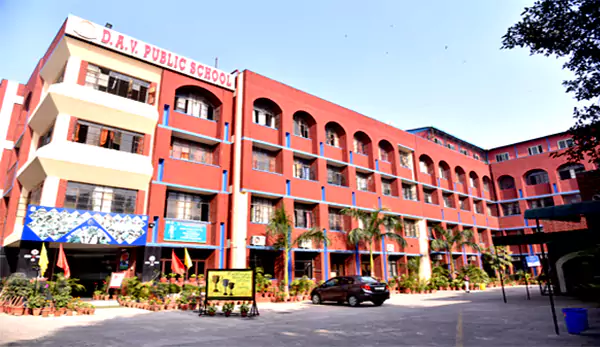
DAV full form is Dayanand Anglo-Vedic. It is a big organization of educational establishments under the Dayanand Anglo-Vedic College Trust and Management Society (DAVCMC). It belongs to the number of the largest non-governmental educational organizations in India, which has hundreds of schools, colleges, and professional institutions.
Swami Dayanand Saraswati was the founder of Arya Samaj, and his philosophy of DAV education was highly inspirational. The term “Anglo-Vedic” emphasizes the peaceful co-existence of:
- Indian traditions and ancient Vedic knowledge
- Present-day Western education and science
DAV institutions strive to produce students who are academically sound, ethical, responsible in society, and mentally disciplined. It is in both a DAV school and a DAV college that the basic mission is to come up with well-rounded individuals who are ready to live.
History of DAV School
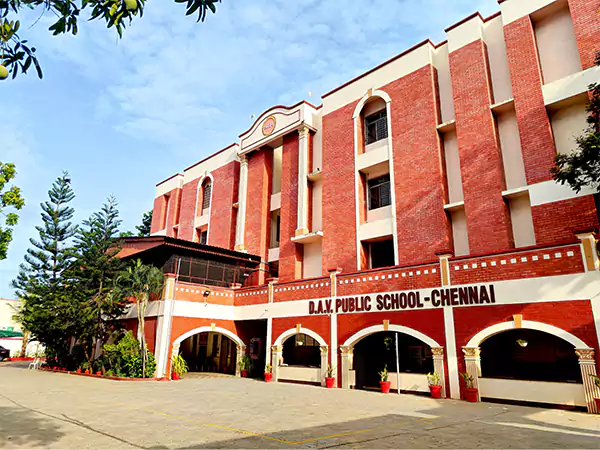
DAV School Delhi has its origin traced to the late 19th century, a time when educational reform and social awakening were taking place in India. DAV was first opened in 1886 on 1 June in Lahore (modern-day Pakistan). It was a historic plan that was inspired by the teachings of Swami Dayanand Saraswati and achieved through the efforts of Mahatma Hansraj, who became the first honorary headmaster.
The DAV College full form trust was legitimately endorsed under the Societies Act. Its goal was simple for the organization: to revive the Indian values but at the same time adopt modern education, science, and rationalism.
The organization was built steadily within India based on one school. Over the decades, it shifted to a national movement that provided quality education to students with various backgrounds. DAV is now an institution in the private education system in India with its discipline, values, and academic standards.
Check Out: UPSC Age Limit 2025: A Detailed Guide to Eligibility Criteria
What are the Aims and Goals of DAV Institutions?
The mission of DAV institutions is very strong, as it is based on the assumption that education is not about obtaining degrees but about creating strong, responsible, and enlightened human beings. DAV schools and colleges emphasize the all-round development of the personality of a student. Hence, the development of the intellectual, moral, emotional, social, and physical aspects.
The key goals of DAV institutions are:
- Delivering Quality Education through Moral and Ethical Values: DAV institutions are meant to provide academically sound education and, at the same time, instill honesty, integrity, discipline, and compassion. This is aimed at making sure that the students become ethical individuals who observe good morals throughout their lives.
- Advancing Critical and Rational Thinking: DAV is influenced by Swami Dayanand Saraswati as it focuses on logical reasoning, questioning, and scientific temper. Learners have been taught to think critically, analyze, and find the truth using knowledge instead of blind faith.
- Acquiring Leadership Skills and Self-Esteem: DAV institutions attempt to develop confidence and leadership through classroom education, debates, sports, cultural programs, and activities implemented by students.
- Training the Students to Handle Real-World Challenges: This institution’s education provides the learners with the practical knowledge, life skills, and emotional strength so that they can take the academic pressure, career challenges, and social responsibility in the fast-changing world with confidence. This is done by engaging students with school trips and fun activities.
- Advancing Patriotism and Cultural Sensitivity: There is a great stress on Indian culture, traditions, and heritage. DAV schools attempt to inculcate a feeling of patriotism and appreciation of the rich Indian history, and make students look at the world from a global perspective.
- Promoting Physical, Mental, and Emotional Health: DAV includes sports, yoga, meditation, and health education. The practices enable students to be physically fit, have a clear mind, have a balanced emotional state, and be healthy.
DAV Schools Curriculum
The curriculum that is used in the DAV Public School full form is well-designed in such a way that it aims at creating a balance between academic excellence and holistic development. The DAV Public Schools are largely affiliated with the CBSE, with a few schools adhering to ICSE or state education boards, depending on the local and administrative needs.
The most important elements of the DAV curriculum are:
- Strong Academic Foundation: DAV schools accord high priority to basic subjects like mathematics, science, social studies, and languages. The curriculum will be crafted in such a way as to enhance conceptual knowledge and analytical ability as well as offer uniform academic achievements in all grade levels.
- Appreciate Education and Moral Science: Its curriculum includes moral education. The lessons are centered on ethics, honesty, respect, empathy, and self-discipline so that the student can have a solid character and responsibility at a tender age.
- Yoga, Meditation, and Physical Education: To achieve physical fitness and mental serenity, and to maintain emotional stability, there are regular sessions of yoga, meditation, and sports. This allows the students to cope with stress and live a healthy life.
- Co-curricular Activities and Extracurricular Activities: DAV schools participate primarily in music, dance, drama, debates, quizzes, art, and cultural events. Based on these activities, creativity, teamwork, communication, and self-expression are boosted.
- Training in Personality and Skills of Life: The curriculum is based on activities that emphasize the practice of speaking in front of people, the development of leadership skills, time management, and interpersonal skills. This helps students be ready to set up in competitive environments.
On the whole, the DAV progressive is designed to create students who are not only high-achieving in academics but also show high discipline, confidence, adaptability, and high morals.
List of DAV Schools and Colleges
DAV has a huge network of educational institutions located in India and other countries.
How many DAV schools are there in India?: There are more than 800 schools in India, both privately run and government-aided schools.
DAV schools supported by the government: There are almost 60 schools that are government-aided.
How many DAV schools are there in the world?: DAV also has schools and colleges in other countries like Nepal, Mauritius, Fiji, and Singapore.
The total number of schools and institutions of DAV all over the world is more than 900, and it is one of the largest educational networks in the world.
Wrapping Up!
DAV institutions are a strong brand of value-based education with a touch of modern academic excellence. Since the time of their inception in the reformist vision of Swami Dayanand Saraswati, the DAV schools and colleges have always been interested in making disciplined, knowledgeable, and socially responsible individuals. The name of the organization is a perfect Dayanand Anglo-Vedic, which means that both the traditional Indian wisdom and the modern standards of knowledge and science are combined in a balanced manner.
Read Next: Railway Group D Salary in 2025: Average Pay, Highest Salary, and Profile List
FAQs
Ans: DAV’s full form is Dayanand Anglo-Vedic. It is one of the largest chains of schools and colleges offering the best education.
Ans: DAV is a non-government educational establishment, but it has some schools assisted by the government as well.
Ans: DAV schools are renowned for academic excellence, a disciplined learning atmosphere, and valued education.
Ans: DAV is not a school based on religion, but the school encourages moral values based on the Indian culture and Vedic philosophy.
Ans: The DAV College Trust and Management Society, led by Mahatma Hansraj, inspired the DAV schools, which were founded by Swami Dayanand Saraswati.