A smooth payment process helps your consultation end with the same calm, professional tone it began with. When the practical details are clear, clients know what to expect and you avoid awkward pauses, missing invoices and time-consuming follow-up messages. A few thoughtful changes to your pricing, technology and closing routine can make in-person client payments feel like a natural final step in your service.
The Emotional Cost of Clunky Admin
Payment friction creates more than an administrative inconvenience. A declined transaction, misplaced invoice or unclear total can make both you and your client uncomfortable, especially after a personal coaching or consultancy session. It can also leave you carrying unfinished tasks into the rest of your day.
Create one repeatable process for every appointment. Confirm the price in advance, keep your payment device charged and decide how you’ll issue receipts. Reducing operational pressure through strategic delegation can also protect your attention by giving routine tasks a clear place in the business. This leaves more energy for thoughtful client work and fewer loose ends competing for your attention.
Understanding Seamless Card Processing
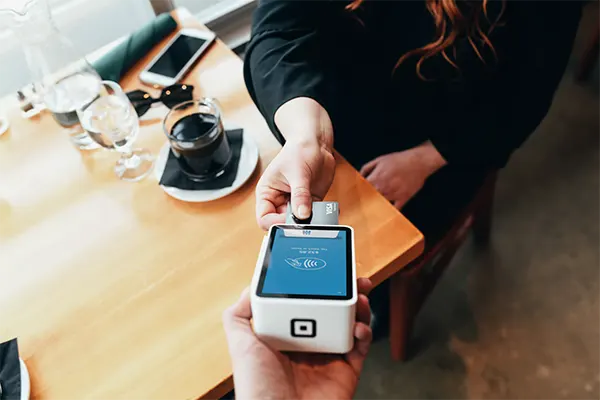
Before choosing a provider, understand the basics of accepting card payments, including transaction fees, equipment costs and settlement times. It also helps to know how credit card readers work so you can compare countertop, portable and mobile options based on how you meet clients.
Look for a reader that supports chip, contactless and mobile payments, then test it in the room where you usually work. Check the internet connection and complete a low-value trial transaction. You should also understand the basics of secure payment data handling, including what information your business stores and how it is protected. Keep a second payment method available in case the device or connection fails.
Mindful Pricing Conversations
State your price before the consultation so the payment request never arrives as a surprise. Include the fee, payment timing and cancellation terms in your booking confirmation, using the same language on your website and invoices. Consistency makes the conversation feel straightforward.
For example, you might write: “Your 60-minute session costs £120 and payment is due at the end of the appointment.” If the client asks about packages or instalments, explain the available choices without rushing to fill the silence. Give them space to consider the figures and ask questions.
Avoid apologising for your fee or offering an immediate discount because the conversation feels uncomfortable. Your price reflects the time, preparation and support included in the service. Calm delivery helps clients assess that value without emotional pressure.
Creating a Calm End to Consultations
Build five minutes into each appointment for practical closure. Recap the agreed actions, confirm any follow-up date and then say clearly, “The total today is £120. You can pay by card or mobile payment.” Keeping the device visible and ready prevents an abrupt search through drawers or bags.
Once payment is approved, ask where the client would like their receipt sent and confirm that it has arrived. If a transaction fails, stay neutral. Offer one retry, check the connection and move to your backup method if needed. Avoid discussing technical problems at length while the client waits.
A reliable closing routine can be written as a short checklist beside your diary: next step, next appointment, payment and receipt. That small prompt keeps the final minutes focused and ensures every client receives the same considerate experience.
The best payment process is one you barely need to think about during the session. Test the full routine before your next in-person appointment, from stating the total to sending the receipt, so your attention can remain with the client until they leave.