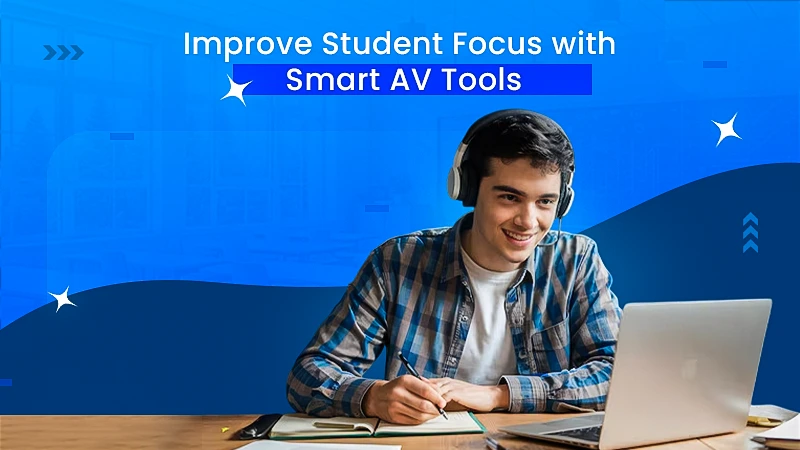
“Visuals act as mental anchors, giving students a sturdy hook to hang new ideas.”
Have you ever tried your best to listen to a speaker with a loud air conditioner that keeps on buzzing in the background? Or have you tried to read a messy and tiny whiteboard from the back seat of a room? It is truly tiring!
For young students, these everyday physical struggles make them lose focus very easily and quickly. This article shows you how audio and video tools change modern classrooms completely.
We will closely look at how clear sound and bright pictures stop young minds from wandering during class time. These tools make teaching much easier for teachers and turn the quiet, boring listening into fun, active learning.
By putting the right technology into your classrooms, you can easily build a special space where every single child stays locked into the lesson.
Key Takeaways
- Clear sound and big visuals save energy and stop brain fatigue.
- Audio systems spread sound evenly so the back row hears perfectly.
- Interactive smart boards turn quiet listeners into active participants.
- Smooth tech transitions keep lesions moving and prevent distraction.
Understanding the Connection Between Focus and Learning Environments
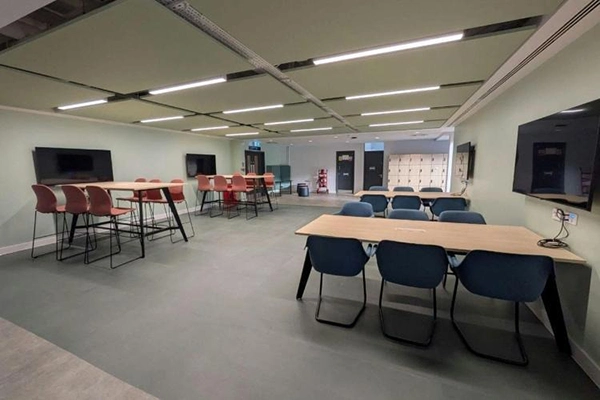
“The environment is the third teacher. It speaks to students, guiding their behavior and shaping their capacity to focus.”
A classroom is more than just tables and chairs; it is a lively space where a physical room changes how a child thinks. When a room feels loud or messy, students’ attention disappears fast.
By fixing the sights and sounds around your students, you can remove the hidden blocks and can help them learn deeply.
Clarity Reduces Cognitive Strain
When a student faces difficulty in seeing a tiny chart or hearing a soft voice, their brain works too hard just to get the basic information. This extra work and pressure on the brain causes heavy brain stress, which burns up mental energy fast.
When you use clear audio and big visuals, you free up valuable brainpower. Instead of wasting energy trying to read fuzzy words, your students can use their minds to actually understand and remember school lessons.
Consistency Supports Attention
Sudden changes in a room pull young readers away from their work. Think of a teacher’s voice getting quiet when they move to the other part of the room, or a display screen that blinks every second.
These small problems force kids to keep restarting their focus. A steady and predictable flow of sound and visuals builds a safe rhythm. When the room stays smooth, students find it a lot easier to settle down, listen, and learn.
If the voice is loud and clear, it connects the whole classroom together; however, if your voice does not reach every corner perfectly, many students may stop listening before your school lesson ever gets started.
Improved Audibility for All Students
In a normal classroom, a teacher’s natural voice gets very quiet by the time it reaches the last seat. Students sitting far away have the chances to miss important details and might also stop listening completely.
Using simple audio tools like small wireless microphones and ceiling speakers can solve this problem instantly. It fills the whole room with a smooth and comfortable blanket of sound, ensuring that the child in the very last seat is able to hear as clearly as the child sitting in the first row.
Supporting Different Learning Styles
Every student has a different way of learning. While some kids understand a lesson just by reading books, some find hearing the same content more useful to fully absorb the ideas. Good sound systems help you highlight main points easily.
Plus, adding basic audio tools allows you to mix fun podcasts, historic speeches, or cool sound effects into your daily routines, which makes it productive for many different types of minds.
Reducing Classroom Disruptions
When kids cannot hear your words, they have a tendency to get bored and restless. They might turn around to their neighbor, asking for help, or start chatting with them out of boredom, creating a lot of noise in your class.
Clear audio tools naturally grab student attention without forcing you to yell. When your directions cut through the busy room noise effortlessly, students stay locked onto what you are saying, leaving absolutely no time for them to have loud conversations aside.
The Power of Visual Tools in Maintaining Attention
Good sound surely helps, but bright pictures are what catch the attention of a child in the best way. Since our brains process images very fast, visual tools are essential to keep the classroom focused and quiet.
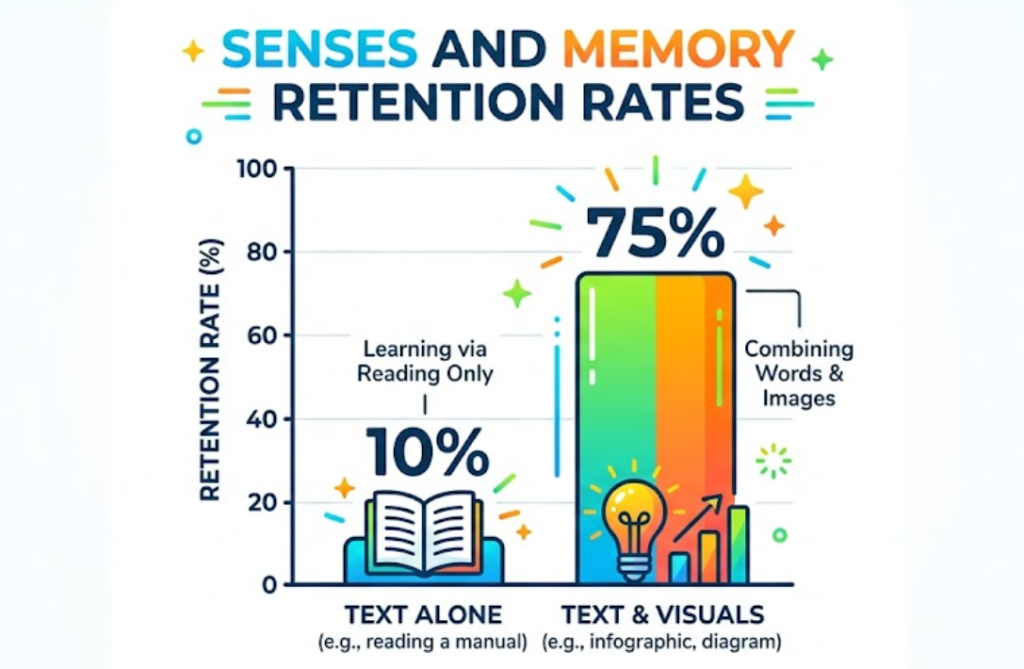
Alt- Senses and Memory Retention
This chart shows how matching words with colorful images helps students remember lessons in a better way.
Enhancing Comprehension Through Visual Aids
Explaining hard ideas with only words can sometimes leave students feeling totally lost. For example, if you are explaining how the body digests food, explaining it without pictures can be difficult. High-quality screens and projectors bring these hard topics to life.
When you show a bright diagram, a confusing lesson also becomes a very simple one; clear pictures are what help students understand everything clearly. This instant clarity keeps the kids from guessing and helps them follow along with your teaching easily without getting frustrated.
Encouraging Active Participation
Old projector screens only allow students to sit and watch your work; they are not interactive. New interactive boards invite every child to get up and join the lesson. Students can come to the front to solve some problems, match words, or make timelines, keeping them engaged.
This active fun keeps kids excited because they help build the daily lesson with you. When students move their bodies and touch the screen, they stay awake, focused, and truly happy to learn.
Reinforcing Memory Retention
Our human brains are truly amazing at remembering visual pictures. Long after your spoken words fade away, a colorful chart or a small video clip stays clear in a child’s mind. By combining your lessons with helpful visuals, you give kids two easy ways to store data.
It makes it simple for them to pass their next big test. Visuals act like strong anchors in the mind and keep important facts safe and sound for a very long time.
Integrating Audio and Visual Systems for Better Focus
The real magic happens when you mix audio and visual together into one smooth system. When your audio and video work perfectly at the same time, they build a classroom that completely blocks out any sort of distractions.
Creating a Unified Classroom Experience
A messy setup with too many remotes and cables can break your teaching flow. A joined system that connects your microphone, screen, and speakers into one simple tool is a better way.
Choosing the Right Equipment
Finding the best mix of grar for your exact room shape is essential. For great design and professional setup of these systems, you can use expert helpers like creationnetworks.net, who ensure that your screens and sound tools fit your space perfectly.
Getting the right gear will stop the technical glitches, avoid loud noises, and let you focus on teaching.
Adapting to Hybrid and Digital Learning
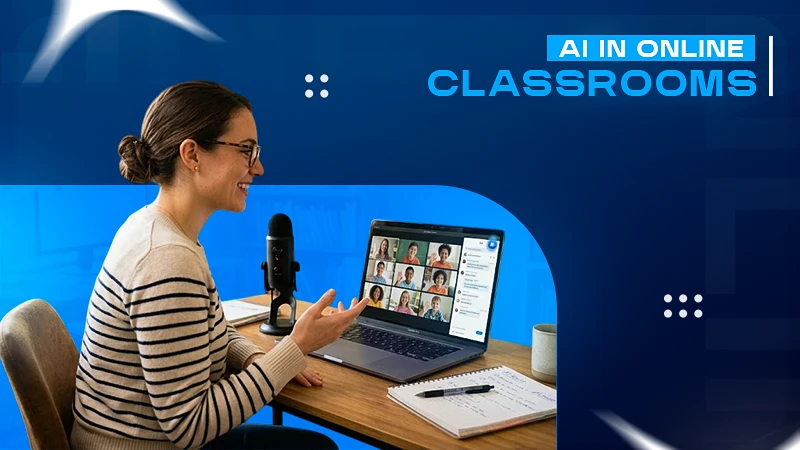
School lessons today often reach far outside the walls of the classroom. Whether you are broadcasting a live lesson to a sick kid at home or you are inviting a special online speaker from far away, good tech will keep everyone together. Great cameras and clear microphones close the gap, making remote kids feel like they are sitting up front.
Fun Fact: The word classroom originally meant the actual group of students, not the room where they studied.
Practical Tips for Educators
Using technology in your daily classroom routine does not have to be complicated or expensive for teachers. Simple, low-cost tools like a basic microphone or easy visual slides can quickly transform your space, making lessons fun and helping every student focus easily without blowing your school budget.
FAQs
Ans: No, these displays help kids understand and work together in groups.
Ans: They block out the background noise, keeping their attention steady.
Ans: Buy a basic microphone, as a clear voice is the fastest way to grab attention.