Gardening is a process that blends creativity, patience, and practical knowledge. Many think of it as just the process of growing plants and improving a space, but it is much more complex than that.
Moreover, it involves many factors, from knowing the right tools to understanding soil and plant care. But like any craft, it develops with experience and putting focus on the right steps over time.
This starter checklist highlights the most important fundamentals that help rookie gardeners build confidence and enjoy the process.
Key Takeaways
- Observing and understanding your garden space and its conditions
- Select basic and simple tools for beginner-friendly plants
- Understand the soil composition and prepare it appropriately before planting
- Learning the fundamentals of watering
Understand Your Garden Space First
Before proceeding to buy plants or tools, the wisest step a beginner can take is to observe their gardening area and space. Every garden has its own unique conditions, and understanding them will make planting decisions far easier.
One of the most important factors is sunlight. Some areas of a garden receive direct sunlight for most of the day, while others may remain shaded by buildings, fences, or trees.
Plants have different sunlight needs, so recognizing these patterns helps gardeners choose plants that are more likely to thrive.
It is also helpful to observe how water behaves in the garden. After rainfall, notice whether certain areas drain quickly or hold moisture for longer periods. This can reveal whether the soil is sandy, clay-heavy, or somewhere in between.
Simple observations are the key to learning, noticing patterns such as wind exposure, drainage patterns, which help beginners make smart decisions when choosing where to plant different species.
Build a Simple but Reliable Toolkit
Many beginners assume they need a large collection of gardening tools before they can begin. In reality, most gardening tasks can be completed with just a few reliable tools.
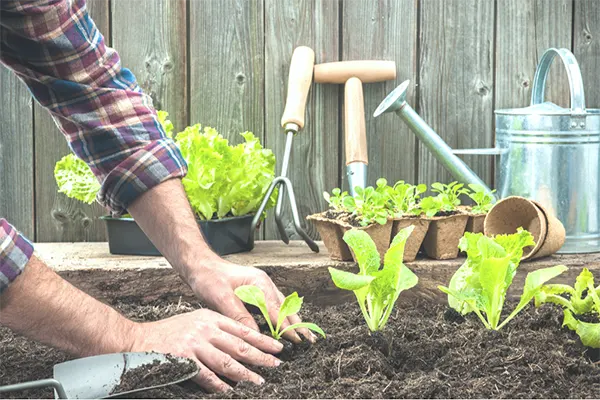
A basic gardening toolkit should include:
- A hand trowel for planting seeds and small plants
- Gardening gloves for protection
- Secateurs or pruning shears for trimming plants
- A watering can or hose
- A garden fork or spade for digging and soil preparation
These tools are flexible enough to handle most of the tasks that arise in a beginner’s gardening space.
As gardeners gain experience, they may explore additional equipment designed to make certain tasks easier, particularly for larger outdoor areas.
For those looking to expand their setup, exploring collections such as garden equipment from Power & Pedal can help identify tools that support everything from soil preparation to ongoing maintenance.
The key is to prioritize quality and practicality rather than quantity. A few well-chosen tools will serve a beginner gardener far better than a large but unnecessary collection.
Did You Know?
Trees can defend themselves against diseases by producing a chemical called phenols, which act as anti-septics.
Choose Beginner-Friendly Plants
Plant selection plays a major role in early gardening success. Some plants require careful maintenance and ideal conditions, while others are naturally more resilient and forgiving.
Beginners often experience the most success with quick-growing and easily adaptable plants
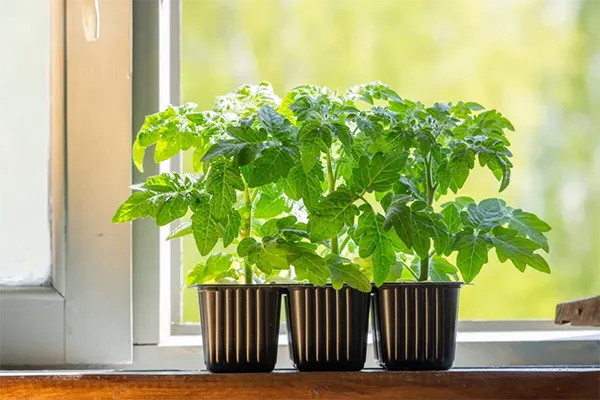
Herbs such as basil, mint, parsley, and chives are popular starting points because they are hardy, useful in the kitchen, and grow well in containers or small garden beds.
Vegetables such as lettuce, radishes, and cherry tomatoes are also beginner-friendly choices. Many flowering plants, including marigolds and sunflowers, are known for their ability to grow reliably with minimal care.
Starting with easy plants allows gardeners to focus more on learning the basics of watering, pruning, and soil care without it becoming too overwhelming.
As confidence grows, gardeners can gradually introduce more complex plants and experiment with different varieties.
Prepare the Soil Before Planting
Healthy soil is one of the most important foundations of successful gardening. While many beginners focus primarily on plants, experienced gardeners know that strong soil leads to stronger plants.
Soil preparation begins by loosening compacted soil using a garden fork or spade. This allows air, water, and nutrients to reach plant roots more effectively. Mixing organic matter such as compost into the soil improves fertility and helps create a balanced environment for plant growth.
Compost provides essential nutrients and encourages beneficial microorganisms that support plant health. Over time, compost can dramatically improve the structure of garden soil.
Mulching is another useful technique that beginners should learn early. A layer of mulch placed around plants helps retain moisture, regulate soil temperature, and prevent weeds from spreading. It also slowly breaks down, enriching the soil as it decomposes.
Preparing the soil properly beforehand gives plants the best possible start and reduces the challenges of maintenance in the growing season.
Learn the Basics of Watering
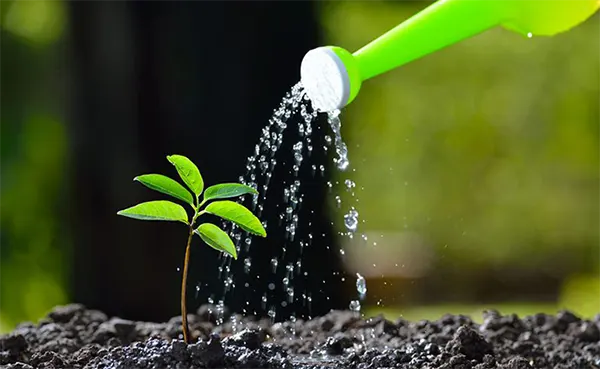
Watering may seem simple, but it is one of the most important skills a gardener develops. Too little water can stress plants, while too much can cause root rot and other problems.
A helpful habit for beginners is checking soil moisture before watering. If the top layer of soil feels dry, the plant likely needs water. If the soil still feels moist, it is usually better to wait.
Most plants benefit from deep watering rather than frequent shallow watering. Deep watering encourages roots to grow deeper into the soil, creating stronger and more resilient plants.
The timing of watering is crucial. Watering early in the morning is often ideal, allowing plants to absorb moisture before the heat of the day increases evaporation.
Over time, gardeners develop a better understanding of their plants’ watering needs and learn to adjust their routines based on weather conditions.
A Craft That Continues to Grow
Learning the craft of gardening at home is a gradual process that rewards patience and curiosity. By understanding your garden space, using the right tools, choosing beginner-friendly plants, and preparing healthy soil, anyone can begin creating a garden that flourishes.
Over time, those first simple steps often lead to greater skills, greater creativity, and a stronger connection to the natural world. What begins as a small experiment in gardening can easily become a lifelong passion that continues to grow with every season.
FAQs
Ans: Start by learning the basics and understanding the conditions of your gardening space, such as sunlight, soil type, and available area before planting.
Ans: Healthy soil provides essential nutrients that plants need to grow and thrive. Regular maintenance helps keep the soil fertile and productive.
Ans: Watering in the morning allows plants to absorb moisture before temperatures rise, reducing evaporation and helping them stay hydrated throughout the day.
Ans: Easy plants for beginners include herbs like basil, mint, and parsley, as well as vegetables such as lettuce, radish, and cherry tomatoes.