“Where my reason, imagination, or interest were not engaged, I would not or I could not learn.” – Winston Churchill (Statesman & Ex-UK PM)
So to make someone truly learn, a tutor has to engage his/her reasoning, imagination, and interests. And those who can do it competently just change the student unrecognizably.
A comprehensive meta-analysis found an overall effect size of 0.37 standard deviations across tutoring programs, equivalent to moving a student from the 50th to the 66th percentile.
But it has become more difficult to achieve that as things have moved from physical educational spaces to virtual environments. Accredited online schools are the only ones that have achieved the finesse of physical classrooms.
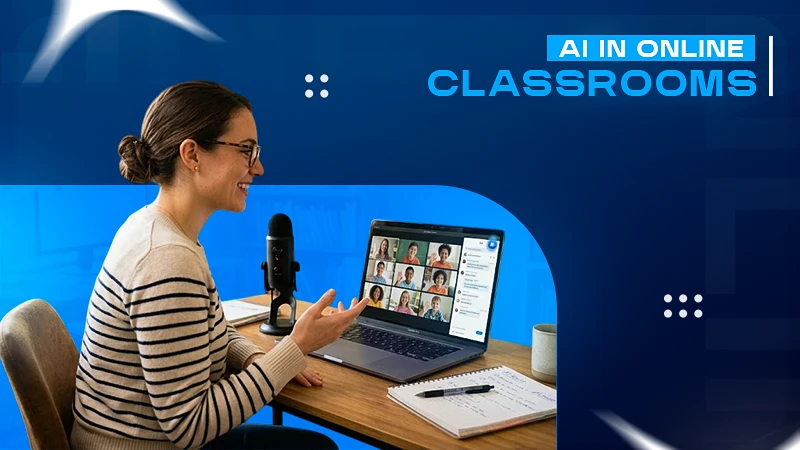
In this article, I’ll tell you how you can improve your online tutoring skills with proven teaching practices and achieve better outcomes. The following sections discuss learning goals, engaging environment, personalized teaching, communication, student-teacher relationship, and progress tracking and feedback.
KEY TAKEAWAYS
- An online tutor has to put in a little more effort to achieve the same results as in a physical classroom.
- Personalize your teaching style based on the learning style of the student, keeping the environment engaging and student-friendly.
- Try to build a strong student-teacher relationship with open communication.
- Set clear learning goals, use progress tracking tools, and impart useful, actionable feedback.

Setting Clear Learning Goals Before Each Session
Without a defined, realistically ambitious target, your session can go either way: it can become aimless or even overwhelming.
Clear goals transform unstructured sessions into a targeted learning system.
Before even starting anything, setting specific study targets produces a roadmap that helps the student and teacher to align well. It straightaway maximizes session efficiency and keeps the student focused, as measurable progress is made.
Celebrate the small milestones on the way, invigorating even more confidence.
Creating an Engaging and Student-Friendly Virtual Classroom
Personalize the teaching based on the student, his/her background, and hobbies. Ask them if they have any personal study goals like clearing this week’s formative assessment or preparing for a NABARD Grade A Exam. Also, cheer every small milestone in the course of study.
Keep a predictable learning structure. If not, the learner might feel unprepared and anxious. Divide the lessons into manageable parts and block time (10-minute time blocks) for a focused study.
In between, there must be brain breaks, especially after a difficult concept. Like a stretch session or a fun puzzle, which resets the brain for newer topics.
Personalizing Online Tutoring for Different Learning Styles
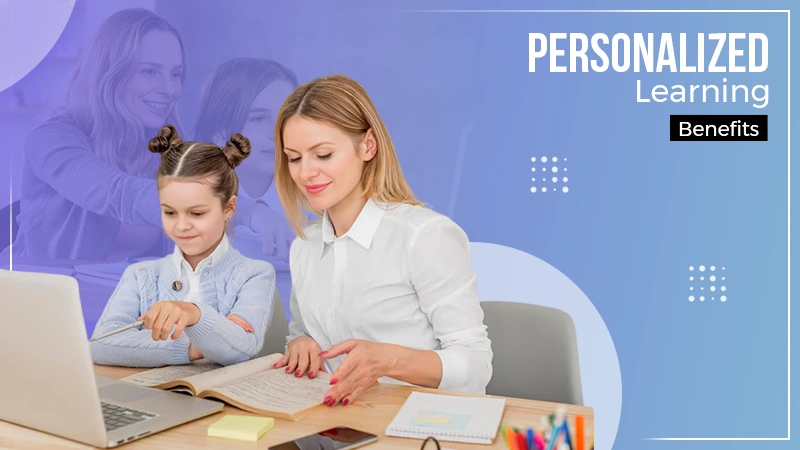
Every kid is unique, and so are their learning styles. You can’t have a standard teaching method for all students. A tailored approach maximizes learner engagement, confidence, and academic retention.
First of all, assess the strengths and weaknesses of the student. Accordingly, adjust the curriculum: which topic needs more emphasis, and which ones can just be touched upon moderately.
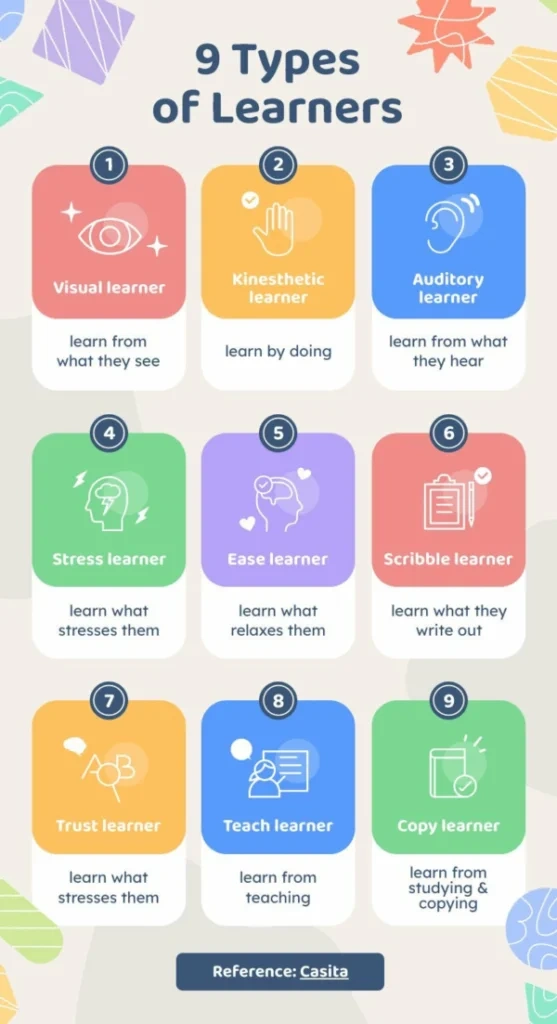
Also, try out different teaching methods like visual, auditory, kinesthetic, etc., to determine which one is working the best. Essentially, there are 9 types of learners:
While doing all this, you’d get a good idea of how fast or slow the student is grasping the concepts. Decide on an optimum pace for the study course.
You need to decide on these aspects from the get-go, but it doesn’t set them in stone. Keep reviewing and adjusting them from time to time.
Building Strong Tutor-Student Communication
Besides tailored teaching, actively listening to your student and maintaining consistent check-ins signifies that intentional, two-way communication is there between you and him/her. However, it’s much more difficult to do in an online environment than in a physical one. So, clear communication is vital for effective remote tutoring even more.
Start sessions with easing questions like “How was your weekend?” To further alleviate student anxiety, communicate things like expectations, how things will run, communication channels, etc.
Addressing the learner with his/her name frequently also builds a personal connection, making them feel seen and respected.
The resulting virtual environment feels safe and engaging to the student. Also, the resulting relationship leads to higher academic success and retention.
Tracking Progress and Giving Useful Feedback
Ensuring that the learner is skillfully treading the path of his/her educational journey is paramount to a tutor. Evaluating progress and providing feedback, as a result, becomes a significant part of your online tutoring strategy.
To track student progress effectively, start or end sessions with quick formative assessments, such as a low-stakes quiz or anything. Also, maintain a spreadsheet on what has been mastered and what needs further work, keeping it accessible to the student and parents.
Based on this, give a plus/delta feedback: one thing that he/she has gotten good at (plus), and one thing that needs further effort (delta). Try delivering video feedback with a warm and encouraging-sounding voice.
All this keeps the student accountable, even motivated sometimes, accelerating his/her learning outcomes.
Key Takeaways for Better Online Tutoring Results
Effectively tutoring in an online environment is comparatively difficult, as building a trusting student-teacher relationship gets challenging.
But the fundamentals, like adapting your teaching style, pace, and content, can go far even in the virtual classroom.
Congratulations on continuously refining your digital classroom. Happy Tutoring!
FAQs
Ans: Just subject mastery is not enough; you have to adjust your teaching style from time to time based on learner needs. Besides, you need to have a lot of patience and empathy.
Ans: The best approach to tutoring is to keep it student-centered and active learning.
Ans: Loosely plan a lesson structure based on learner strengths and weaknesses. Ensure his/her engagement and keep the communication consistent.