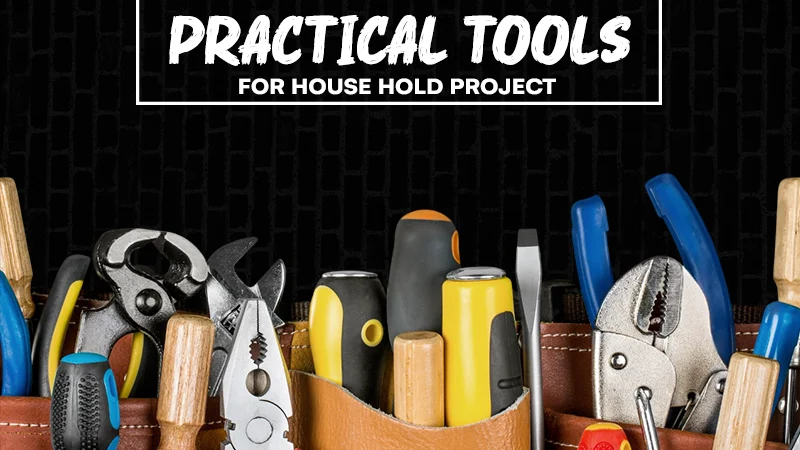
Having patience is something you learn with all these household projects. While they appear much easier on the page than what actually happens. Completing the work can make for a relaxing (if sometimes grueling) weekend, depending on the amount of time you spend on the job to using the right tools.
Eventually, most homeowners understand that having a skill set is just as important as having the proper tools when trying to finish a project. Having the right tool to perform a specific task can mean the difference not only in completing your project promptly but also cin ompleting it without injury and producing a precise product.
Most people don’t want their tool collection to resemble that of a toy collector but prefer their tools to act as assistants. Read on here.
KEY TAKEAWAY
- Invest in tools based on the repetitive tasks your specific property demands, rather than chasing high-tech gadgets.
- For labor-intensive outdoor tasks like wood processing, heavy-duty equipment can transform multi-day chores into efficient sessions.
- Integrating protective gear and proper tool education is the most critical component of a successful, injury-free project.
- Utilize creative organization or external storage solutions to maintain a functional workspace in limited environments.
Start With the Projects You Actually Do
Tool purchases should always be based on home maintenance tasks, which occur on a regular basis. Yards and gardens, interior improvements, and ongoing property maintenance are examples of recurring tasks found in some homes.
The identification of repetitive tool borrowing may indicate a need to own. Any kind of physical strain repeated from year to year, through DIY projects, can be alleviated with the correct tools through time savings.
Practical homeowners invest in tools that fit their personal needs as opposed to following fads!
The Core Household Toolkit
Every home benefits from a solid foundation of basic tools. A quality drill, hammer, level, tape measure, and a set of hand tools handle a surprising number of jobs. Add a sturdy ladder, safety gear, and a reliable saw, and you can tackle many repairs and improvements.
Use of reliable tools instead of an abundance of tools is what separates a smooth from stressful project. Dependable tools include a well-charged drill, an accurate level and a saw that produces a clean cut, which all decrease rework and mistakes.
Maintenance is also part of practicality. Clean tools, sharp blades, and organized storage extend the life of your equipment and make each project easier to begin.
Yard and Outdoor Projects
Outdoor work is where many homeowners feel the limits of basic tools. Yard cleanup, landscaping, and seasonal maintenance can quickly become labor-intensive.
Falling branches, pruning trees and splitting firewood are not unusual to many homeowners, especially those living in suburbia or rural communities. Homeowners with frequent needs for firewood or a large supply of firewood can turn a multi-day process into a manageable task by utilizing specialty equipment.
Some people explore heavy-duty options like 22-ton log splitters from Equipment Outfitters when they want consistent power for splitting hardwoods. This kind of tool is less about convenience and more about making a physically demanding job safer and more efficient.
The key is scale. Not every household needs heavy-duty equipment, but for those who do regular wood processing, the time and strain saved can be significant.
Learning Through Doing
Household projects are also learning experiences. Many people gain confidence by trying small repairs and gradually taking on bigger tasks. The process teaches problem-solving, planning, and patience.
Tools that work properly are essential to support the learning process, where equipment failure results in frustration when learning a skill. This allows you to concentrate on learning the skills required for the project, rather than working around the equipment or tool failure. Therefore, projects will seem like progress rather than trial and error.
It’s also helpful to start small. Completing manageable projects builds skill and reduces the risk of costly mistakes. Over time, both your toolkit and your knowledge grow naturally.
Safety Is Part of Practicality
No household project is worth an injury. Practical tool use always includes safety. Gloves, eye protection, hearing protection, and proper footwear should be standard, not optional.
When using tools, it is important to read instructions, use the correct tool for the task, and take frequent rest breaks when fatigued to reduce the chance of injury. Many injuries occur from rushing through tasks or improvising with tools rather than using complex tools.
A safe project is a successful project.
The Organization Factor
One of the biggest hidden challenges in household projects is clutter. Tools scattered in garages, supplies piled in corners, and leftover materials from past projects can make it harder to start new ones.
Being organized saves you time and stress because you will always know where your tools are and you will be able to begin work without looking for them. Additionally, if your tools are stored properly, then there is less chance for damage to occur.
Simple systems help. Labeled bins, shelves, and pegboards keep frequently used tools visible. Seasonal items can be stored separately to reduce crowding.
When Space Is Limited

Not everyone has a large garage or shed to use to store tools. Space for storage can be limited for those who do a lot of DIY projects or gardening. If space is limited, look for creative solutions to storage. Some people rotate their tools out annually based on what is being used at that time; others may use a storage facility to store tools that are not being used.
Services like WheeKeep are sometimes used by homeowners who want extra room for project materials, seasonal gear, or tools they don’t need daily but still rely on. This can free up home space and make workshops or garages more functional.
The goal is not to store more, it’s to keep living and working spaces usable.
Budgeting for Tools Wisely
Practical tool buying also means pacing yourself. You don’t need everything at once. It’s often smarter to buy tools as projects demand them.
Investing in quality tools will yield better results than purchasing a lot of inexpensive tools. A few higher-quality tools will last longer and work better than a large quantity of inexpensive tools, ultimately saving you money long term.
It also helps to research before buying. Reviews from real users, not just product descriptions, reveal how tools perform in everyday situations.
The Satisfaction of Capability
Fixing, building, or improving your home creates an awesome feeling of accomplishment and is generally the sole reason why someone wants the right tools to complete their projects. These practical tools make it possible for more of your ideas to come to life and for your hard work to be seen as progress.
Completing household projects with the right tools does not mean your project has to be perfect. It only means that you have finished your project and made your home a better place to live, one small step at a time.
Start with what you truly need. Build your toolkit gradually. Stay organized and safe. And remember that every completed project adds both skill and pride to your home.
A well-equipped household isn’t about owning the most tools; it’s about having the right ones ready when real life calls for them.
FAQs
Ans: A cordless drill, a 16OZ hammer, a 25FT tape measure, a level, and a multi-bit screwdriver.
Ans:
If you process over two cords of wood a year, you should invest in buying a log splitter like a 22-ton log splitter.
Ans:
Use vertical storage, such as pegboards, or use heavy-duty stacking plastic containers in a closet or outside of your home for additional storage.
Ans: Rent any specialty tool you will ever only have to use one time; purchase specialty tools that you will need more than two times in a year.