Focus and productivity take a massive hit if one doesn’t plan ahead for meals, which eventually leads to the person settling for unhealthy snacks just to fill up their stomach.
Little preparation and following simple nutrition strategies make a huge difference in how we feel while working long periods of time or studying. The process doesn’t even need to be rigid or complicated; small changes to the lifestyle allow major benefits.
This article shows how easily practical approaches fit into daily life and help you feel energized and healthy throughout the day.

Key Takeaways
- Planning a balanced diet for the day
- Ensuring consistent and proper hydration
- Meal timing strategies to fit every schedule
- Learning to prepare quick meals for busy days
Using Convenient Nutrition Support to Stay Prepared
When schedules get busy, meals become rushed or forgotten. Long study or work sessions often make it even harder to prepare full meals, which can lead to grabbing whatever is fastest nearby. This is why convenient, balanced options can be useful when you do not have time to cook or step away for a full lunch.
Some people like having quick options available that offer a mix of macronutrients and help them avoid skipping meals. These choices may include simple snacks, protein-rich foods, or convenient meal replacement products.
USANA Health Sciences is one company that offers protein-based meal replacement products that people sometimes choose when they need something fast and easy during busy days. These types of products can be used alongside whole foods to help people manage long work or study periods when preparation time feels limited.
Having at least one quick option available can help reduce stress around meal planning and keep you from going too long without eating.
Planning Balanced Snacks That Support Steady Focus

Balanced snacks can make long study or work sessions feel much smoother. When hunger appears unexpectedly, having something ready keeps you from stopping your workflow or grabbing something that leaves you unsatisfied. Snacks with a mix of nutrients tend to feel more grounding and satisfying.
Great snack ideas include:
- Fresh fruit like apples, bananas, or berries
- Nuts and seeds
- Yogurt cups
- Whole-grain crackers
- Veggie sticks with hummus
- Cheese slices or string cheese
These snacks are portable, easy to store, and require almost no preparation. They also help you avoid long gaps without eating, which can make you feel scattered or distracted. By having balanced snacks nearby, you can support steady comfort throughout a long study or work block.
Keeping Hydration Easy and Consistent
Many people forget to drink water when they are focused on tasks. Hours can pass before they realize they barely drank anything. Dehydration can make people feel sluggish or unfocused, which makes hydration a simple but important part of long study or work sessions.
Keeping water within reach is one of the easiest ways to stay hydrated without thinking about it. A water bottle on your desk or next to your laptop acts as a reminder. Some people like adding fruit slices or using flavored water to make it more enjoyable. Herbal teas are also a nice option for those who prefer warm drinks.
Hydration does not need to be forced. Taking small sips throughout the day is enough to help you stay comfortable as you work.
Did You Know?
The human body is approximately made of 60% water, with the brain and heart composed of 73% water.
Meal Timing Strategies That Fit Real Schedules
Long study or work sessions often disrupt normal meal times. This is especially true when tasks require extended concentration or tight deadlines. Planning your meals around your workload helps reduce stress and keeps you from becoming overly hungry.
One strategy is to eat a balanced meal before starting a long session. This gives you a solid foundation before diving into your work. Another strategy is to set simple reminders for meals or snacks if you tend to lose track of time easily.
Eating at consistent intervals can help you feel steadier during the day. Meals do not need to be elaborate. Simple options work well as long as they are balanced enough to hold you through your study period.
Choosing Foods That Feel Comfortable During Long Sessions
The food you choose during long study or work sessions can influence how comfortable you feel while sitting for extended periods. Many people find that very heavy meals make them feel sluggish, while meals that are too light leave them hungry again quickly.
Foods that feel comfortable and easy to digest include:
- Sandwiches or wraps
- Rice or grain bowls
- Salads topped with protein
- Soups
- Smoothies
These meals are balanced and typically won’t make you feel weighed down while working. Paying attention to how you feel after different foods can help you choose meals that support your focus and comfort.
Preparing Quick Meals for Busy Days
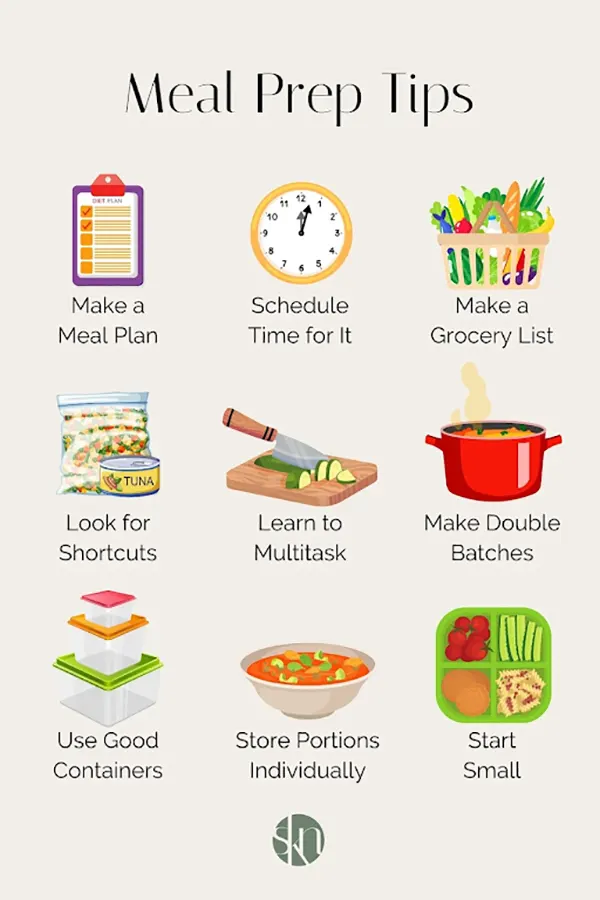
When time is tight, meal prep can make a huge difference. Preparing even one or two meals ahead of time provides ready-to-eat options that save time during busy weeks. You do not need to cook large batches or complicated recipes. Simple is enough.
Easy prep ideas include:
- Overnight oats with fruit
- Pre-chopped vegetables
- Hard-boiled eggs
- Cooked grains stored in containers
- Protein sources like grilled chicken or tofu can be added to meals
Having ingredients ready to assemble lets you create a balanced meal in minutes. This helps you avoid skipping meals or rushing through study sessions with nothing substantial to eat.
You can also follow these quick and easy meal preparation tips to save time and still eat healthy during busy days:
Final Thoughts
Long study and work sessions do not need complicated nutrition plans. Simple strategies can help you stay comfortable and steady throughout the day. Planning balanced snacks, keeping hydration easy, preparing quick meals, and choosing foods that feel good during long sessions all make a positive difference.
By staying aware of your needs and keeping practical options nearby, you can support yourself during long hours of work or study without stress. These small choices help create a smoother, more manageable daily rhythm and make long sessions feel less demanding.
Ans: Light and protein-rich options such as boiled eggs, nuts, or protein yogurt can help you feel full while being low in calories.
Ans: Limit consumption of oily processed foods, treats with high sugar content, or fried foods. These cause spikes in the blood sugar level and a sudden crash in energy levels right after, causing “brain fog”.
Ans: Yes, consuming high-calorie meals requires more energy for digestion, which leads to lethargy and fatigue, causing loss of focus.
Ans: A banana, an apple, or a small square of dark chocolate proved a quick and natural boost of energy.