Despite their stellar academic performance, a brilliant scholar may have difficulties in life because of inadequate soft skills and self-assurance.
Although traditional educational criteria still matter, true preparation for school means developing the whole child – i.e., achieving a balance between academic workload and the development of leadership and resilience, as well as essential life skills.
Continue reading this guide to know what a well-rounded school actually serves!!
Education Is About More Than Academic Achievement
Imagine two students graduating with similar grades. One communicates confidently, works well with others, adapts to new situations, and feels prepared to work through unfamiliar challenges. The other has strong academic knowledge but may have had fewer opportunities to develop confidence in group settings or adapt to unfamiliar situations.
This is why many parents today are asking what a well-rounded education really involves. While strong grades and academic foundations still matter, families are also looking for schools that help children build the confidence, character, and life skills that may support them in college, careers, and everyday life.
A well-rounded education supports intellectual growth while also helping children build confidence, curiosity, responsibility, and resilience. Schools that value balanced development also encourage students to think independently, communicate effectively, and develop positive character traits. This broader approach reflects the idea of educating the whole child, helping them grow into capable learners both inside and outside the classroom.
In this blog, we will look at what a well-rounded education involves, why it matters, and how parents can identify schools that help children thrive both academically and personally.
What Does a Well-Rounded Education Really Mean?
A well-rounded education goes beyond academic achievement by helping students grow socially, emotionally, creatively, and personally alongside their classroom learning. It combines strong classroom instruction with opportunities to build leadership, confidence, resilience, and practical life skills. Students can develop skills beyond subject knowledge when schools encourage exploration, collaboration, and thoughtful problem-solving.
Learning is not limited to textbooks. Teachers engage students through meaningful classroom discussions, hands-on projects, creative activities, and real-world experiences that spark curiosity. Students also benefit from environments where questions are welcomed and mistakes become opportunities for growth rather than reasons for discouragement.
So, a balanced school experience can help children develop academically while also giving them opportunities to communicate, adapt, and contribute confidently in different situations. While academic achievement remains a strong foundation, personal development gives students the skills to apply what they learn in meaningful, real-world situations.
How Whole-Child Education Supports Long-Term Growth
The idea of educating the whole child recognizes that every student develops across multiple areas, not just academics. Schools that embrace this philosophy create opportunities for children to grow intellectually, emotionally, socially, physically, and ethically throughout their educational journey.
This kind of learning experience can support development in several ways. Engaging lessons encourage critical thinking and curiosity, while supportive environments help students build resilience and confidence. Meaningful friendships, classroom collaboration, and active participation strengthen social skills, healthy habits, and positive character traits such as responsibility, empathy, and perseverance.
As children grow, these experiences work together to shape confident, capable learners. Every child develops at a different pace, and a broader school experience can give students opportunities to strengthen these areas over time rather than focusing solely on academic performance.
Academic Excellence Balanced With Real-World Skills
Strong academics are an important part of a quality school experience, yet classroom learning can become even more meaningful when students also have opportunities to develop practical skills they can use throughout life.
Academic instruction can become more effective when it is paired with experiences that strengthen confidence, independence, and everyday decision-making. Schools that focus on educating the whole child create learning environments where students can grow academically while developing abilities that support future learning and personal growth.
The following areas show how schools help students grow both academically and personally:
Strong Academic Foundations
- High-quality instruction builds literacy, numeracy, analytical thinking, and subject knowledge.
- Structured lessons help students strengthen their understanding step-by-step while building confidence through consistent progress.
- Individual guidance helps students address challenges while continuing to develop their strengths.
Communication and Collaboration
- Classroom discussions encourage students to express ideas respectfully and listen carefully to different perspectives.
- Group projects promote teamwork, cooperation, and shared responsibility.
- Collaborative learning experiences help students practice problem-solving together rather than working in isolation.
Leadership and Responsibility
- Age-appropriate leadership opportunities encourage students to take initiative and make thoughtful decisions.
- Classroom responsibilities help children develop accountability and independence through everyday experiences.
- Students gradually become more comfortable managing tasks and contributing positively to their learning communities.
Creativity and Innovation
- Arts, STEM activities, and project-based learning encourage students to think creatively while applying academic concepts.
- Open-ended assignments inspire curiosity and invite children to explore different solutions instead of searching for one correct answer.
- Creative opportunities allow students to discover personal interests that complement classroom learning.
Resilience and Adaptability
- Constructive feedback teaches students that improvement comes through effort and reflection.
- Challenging activities encourage perseverance while helping children build confidence through steady progress.
- Supportive learning environments help students respond positively to setbacks and continue developing new skills.
How Schools Help Students Develop Soft Skills
Academic learning gives children a strong foundation, while day-to-day interactions at school can help them build skills that extend beyond the classroom. Parents can look for environments where communication, collaboration, responsibility, and decision-making are part of regular learning experiences.
Classroom discussions and presentations give students opportunities to share ideas and communicate with greater confidence. Group projects can strengthen cooperation, active listening, and shared responsibility, while classroom routines and leadership roles can encourage organization, accountability, and thoughtful decision-making.
These skills can be useful in future academic and social settings, although the benefits may differ from one child to another. When woven into daily learning, they complement academic instruction and give students more opportunities to apply what they learn.
Building Social Skills Starts in the Classroom
School gives children daily opportunities to build social skills through interactions with teachers and classmates. These relationships can help students feel comfortable sharing ideas, asking questions, and collaborating to work through challenges.
As children become more comfortable in these settings, they can have more opportunities to practice interpersonal skills through everyday experiences. Group projects teach cooperation and shared responsibility, while classroom discussions encourage respectful communication and active listening.
Along the way, students also learn to work through conflicts, show empathy, and consider different perspectives. Teachers support this growth by modeling respectful behavior and creating inclusive learning environments where students feel valued.
These experiences support a broader view of student development, where social confidence can contribute to classroom participation and personal growth. A sense of connection within the learning community can support students as they participate, collaborate, and build relationships with others.
The Role of Enrichment Activities in Whole-Child Development
School days can offer students opportunities to learn, grow, and discover new interests. Clubs, athletics, arts programs, STEM activities, and leadership opportunities allow children to build valuable life skills alongside their academic learning. These experiences complement classroom instruction by giving students additional ways to explore their interests and practice skills in different settings.
Through these activities, students can practice creativity, collaboration, leadership, and problem-solving while exploring interests beyond their core academic subjects. They may also discover new interests and have opportunities to apply classroom knowledge in practical settings. Together, these experiences give students additional ways to learn and use their skills beyond regular classroom lessons.
Pro tip: Parents evaluating schools should look beyond test scores and consider how enrichment opportunities complement the school’s academic programs to support overall student development.
What Parents Should Look for When Evaluating a School
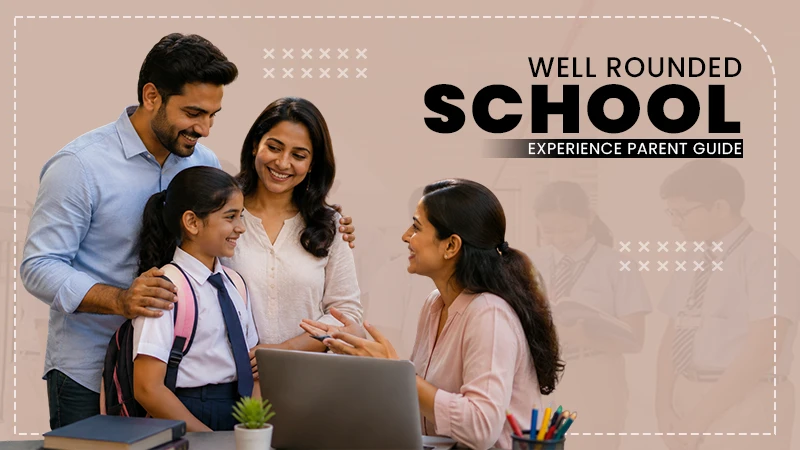
During a school visit, parents often notice much more than academic results. They see how students interact with teachers, participate in class, collaborate with classmates, and engage in activities throughout the day.
These observations reveal classroom engagement, individualized instruction, leadership opportunities, enrichment programs, and overall school culture. Smaller class sizes and supportive learning environments often create more opportunities for meaningful participation.
Observing these experiences firsthand helps parents see how a school supports whole-child development rather than focusing solely on academic performance.
Pro tip: Families exploring schools in Brooklyn may benefit from visiting campuses, observing classes, and learning about student life at Brooklyn School of Excellence while comparing different educational options.
Common Misconceptions About Well-Rounded Education
Some parents may worry that a wider range of school experiences could place less emphasis on academic achievement. However, a balanced school experience can maintain strong academic expectations while also giving students opportunities to develop communication, creativity, collaboration, and other personal skills.
By combining academic learning with these meaningful experiences, students can have more opportunities to apply what they learn in practical settings, build confidence, and take an active part in their school community.
A similar balance can show up in extracurricular activities, which are generally meant to reinforce classroom learning rather than compete with it. Through these experiences, students can build leadership, communication, creativity, and teamwork alongside academic skills.
Final Checklist Before Choosing a School
Selecting a school involves looking beyond test scores and graduation rates. Consider asking these questions during campus visits:
- Does the school support both academic excellence and personal growth?
- Are communication, teamwork, and leadership intentionally developed?
- Does the learning environment encourage confidence and independence?
- Are enrichment opportunities connected to classroom learning?
- Does the school’s approach reflect educating the whole child?
The right school supports learning across many parts of a child’s development. Asking these questions can help parents identify an environment where students are encouraged to grow with confidence, curiosity, and purpose.
Final Thoughts
A well-rounded education aims for more than academic achievement alone. Strong schools help students build knowledge while also encouraging confidence, communication, leadership, resilience, curiosity, and personal responsibility. Combining academic learning with opportunities for personal growth gives children more chances to develop skills they can use both in school and beyond.
As parents compare schools, it can help to look past academic performance alone and consider how each learning environment supports whole-child development through classroom experiences, relationships, and enriching activities.
Seeing these qualities firsthand during campus visits, classroom observations, and conversations with educators can offer valuable insight into how a school supports a complete educational experience for its students.
For families exploring educational options, Brooklyn School of Excellence (BSE) offers an individualized and academically enriched setting with features that may appeal to parents seeking a supportive learning environment.
BSE is a Gifted and Talented Licensed School that provides personalized instruction throughout its elementary program. Students benefit from project-based learning, technology integration, and enriched academic opportunities that encourage them to engage with lessons in different ways.
FAQs: What a Well-Rounded School Experience Should Really Look Like
A well-rounded education is an educational strategy that combines strong academics with opportunities for social, emotional, physical, and personal development. It aids students build knowledge, confidence, character, and practical life skills through meaningful experiences both inside and outside the classroom.
A well-rounded school experience provides children opportunities to grow academically, socially, emotionally, and personally throughout their school years. Alongside strong classroom instruction, these experiences can help students grow curiosity, resilience, communication skills, and confidence in making thoughtful decisions.
Schools can help students develop social skills by promoting opportunities for collaboration, classroom discussions, peer learning, conflict resolution, and respectful communication. A positive school culture promotes empathy, cooperation, and confidence through everyday interactions.
Extracurricular activities can complement classroom instruction by giving students opportunities to explore interests, practice leadership, strengthen teamwork, and develop creativity. These experiences reinforce learning while contributing to a student’s overall educational experience.
Parents should observe classroom engagement, teacher-student relationships, enrichment opportunities, individualized support, and school culture. Schools with a broader focus on student development may give equal attention to academic learning and personal growth.
A balanced school experience can give children opportunities to build strong academic foundations alongside communication, responsibility, collaboration, and problem-solving skills. These qualities support continued learning, healthy relationships, and greater confidence as students progress through school and beyond.