
“The key is not to prioritize what’s on your schedule, but to schedule your priorities.” – Stephen Covey (American author, businessman, and educator)
There is a high possibility that you didn’t choose a career in healthcare administration because you wanted an easy 9-5 desk job; you chose it because you wanted to be the backbone of the system that saves lives. However, between professional shifts and academic deadlines, sometimes it may feel that you are the one who needs a support system.
Mastering the art of juggling is not about survival; it is about ensuring that you become a resilient, focused, and organized leader. Take a deep breath whenever you feel a burden on your shoulders, be proud of yourself as you are building the endurance needed for the boardroom while managing the chaos of the classroom.
Why Work-Study Balance Matters in Healthcare Administration Programs
In healthcare administration, ‘balance’ is not just a luxury; it is a safety requirement. Dealing with high-stakes environments begins with mastering your own schedule. If you are unable to organize your time, managing a clinical department turns out to be an impossible task.
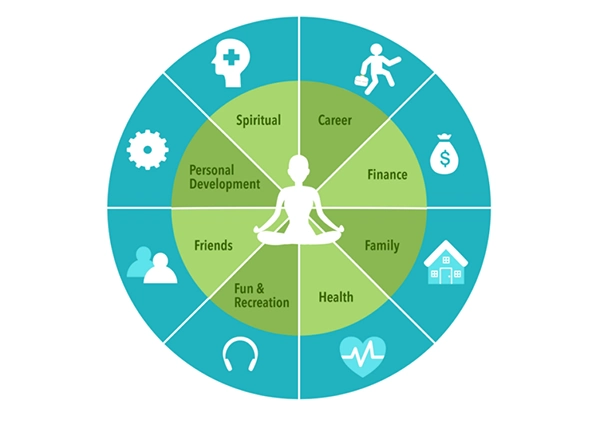
A healthy equilibrium keeps your mind active and sharp for complex policies and financial models while preventing compassion fatigue. To be skilled in a rigorous MHA online program, you should treat your calendar with the precision of a hospital budget. Balance is the essential element that will keep you away from burnout and will sustain your ambition until you reach the finish line.
Challenges Faced by Healthcare Administration Students
We have to acknowledge the elephant in the room: Healthcare is unpredictable. Unlike the corporate sector, a busy day in the healthcare field can literally mean a crisis.
- Healthcare doesn’t sleep; it operates 24/7. If you work in a clinical or support role while studying, your off-hours might be non-existent.
- Physical exhaustion isn’t the only way you get tired; dealing with patient outcomes often takes a mental toll that will make opening your book the next day feel like climbing Mount Everest.
- The healthcare field moves fast; hence, keeping up with both the current job’s protocols and your current curriculum’s requirements can feel like doubling the work.
Fun Fact: The term ‘administrator’ comes from the Latin word ‘administrare,’ which means to assist, help, or serve.
Core Strategies for Balancing Work-Study Responsibilities
To deal with overwhelming feelings, you need a tactical approach; you are not just a student, you are the manager of your life.
Time Management
Stop ‘finding’ time, grab every minute you get. Treat your study sessions as non-negotiable appointments, even 2-minute bursts during break turn into significant weekly productivity.
Prioritization
Make a clear demarcation between urgent and important tasks using the Eisenhower Matrix.
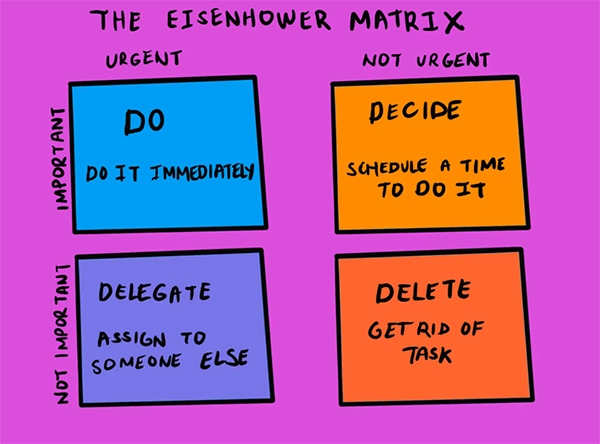
Tackle high-priority tasks first thing in the morning when your energy is at its peak.
Academic Planning
Avoid getting overwhelmed by breaking the syllabus into micro-goals. Small wins daily will build momentum and help you do well. Motivation can fade, so discipline should take charge to ensure consistency.
Leveraging Institutional and Workplace Support Systems
Avoid unnecessary sacrifice. Excelling in healthcare administration depends on your ability to identify and strategically make use of the resources that are available to you.
Flexible Scheduling
Many healthcare facilities focus on retaining talent, and if you talk to your supervisor, they may be willing to shift your hours according to your exams. Whether it is moving to two 12-hour shifts to leave four days of the week open for studying or adjusting your start time, discussing things with honesty will offer you the best results.
Online Learning Options
Today’s digital world is a lifesaver for busy professionals. Online platforms allow you to attend classes even at 9:00 PM or at a time when your brain is most active. Make the best use of the nature of modern education, fitting lectures into the gaps of your professional life.
Employer Support
Professional development grants or tuition reimbursement are available at many healthcare organizations. Beyond money, you can also ask for a mentor within the organization who can bridge the gap between your textbook and your workplace.
Managing Stress, Burnout, and Personal Well-Being
“You cannot pour from an empty cup,” as author Eleanor Brown notes; you cannot expect to perform well if you are stressed or burned out.
Self-care is an essential aspect, especially in the field of healthcare, where burnout is the silent epidemic. It will not only affect your grades but will also negatively impact your job performance.
- Set Boundaries: You should learn to say ‘No’. If something is pushing you over the edge, it is absolutely okay to decline.
- The Non-Negotiables: Never, I repeat ‘Never’, compromise with your sleep, hydration, and movement. Even a 10-minute walk can reset the cortisol level in your body.
- Practice Mindfulness: Spend five minutes a day in silence, as it is a radical act of self-care.
Did You Know?
According to studies, a power nap of just 20 minutes can improve cognitive function and memory retention more effectively than a third cup of coffee.
Final Thoughts
The road to becoming a healthcare leader is paved with long nights and heavy textbooks; however, the reward is a career you dreamt of, a career that truly matters. By mastering your time, protecting your well-being, and leaning on support systems, you are not just getting a degree; you are proving that you have the grit to lead the future of medicine.
Keep your eyes on the ‘why’, and the ‘how’ will eventually fall into place!
Frequently Asked Questions
While it is not necessary, informing your coworkers might be helpful, as most healthcare professionals value education and may support you.
Always prepare in advance. Keep concise notes ready so you can quickly revise even on a busy workday.
Consistency wins. Daily revision supports long-term memory, which is essential for mastering complex healthcare regulations.