Introduction
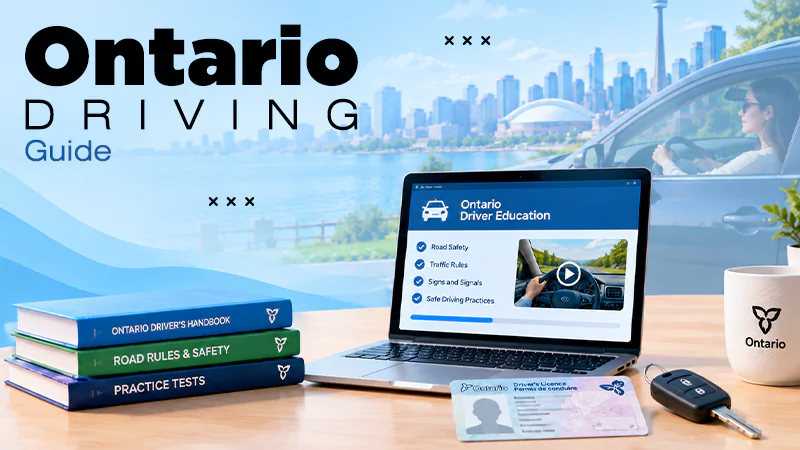
Learning to drive is one of the most significant milestones in a person’s life, and in Ontario, the process has become more accessible than ever thanks to online learning options. Whether you are a teenager preparing for your G1 license, a newcomer to Canada adjusting to local road rules, or an adult who never got around to getting a license, understanding how the system works is the first step toward becoming a confident, safe driver.
This article explores what learners need to know about driver education in the province, how online programs fit into the process, and what to expect at each stage of the journey.
Getting Started with an Ontario Driving Course
Before hitting the road, every new driver in Ontario must go through a structured licensing system known as the Graduated Licensing System, or GLS. This system is designed to introduce driving skills gradually, ensuring that new drivers build experience safely over time.
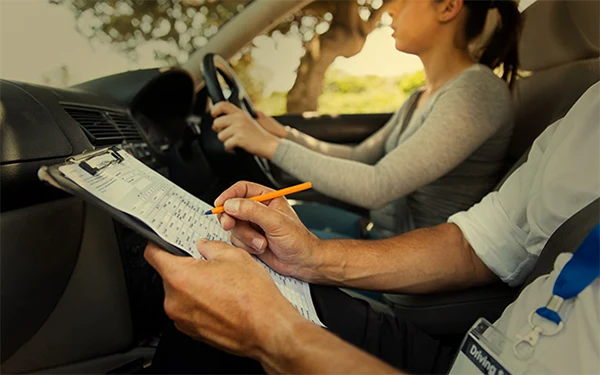
An Ontario driving course is often the most practical starting point for anyone entering this system, since it combines classroom style instruction with the knowledge needed to pass the written G1 knowledge test and prepare for later road tests. These courses typically cover traffic laws, road signs, safe driving practices, and the responsibilities that come with holding a license.
Many providers now offer this instruction entirely online, which means learners can study from home, review material at their own pace, and revisit lessons whenever they need a refresher. This flexibility has made online options especially popular among students, working adults, and anyone juggling a busy schedule.
Understanding the Graduated Licensing System
Ontario’s licensing process is broken into three stages: G1, G2, and full G status. Each stage comes with its own restrictions and requirements, and progressing through them requires both time and demonstrated skill.
At the G1 stage, new drivers must pass a written knowledge test covering road signs, signals, and traffic laws. G1 license holders are required to have a fully licensed driver in the passenger seat at all times, cannot drive on certain high speed highways without a qualified supervisor, and must maintain a zero blood alcohol level while driving. After holding a G1 for a minimum period, which is usually eight or twelve months depending on whether a recognized driving course has been completed, the learner becomes eligible to take a road test to advance to G2.
The G2 stage allows more independence, including the ability to drive without a supervising driver in most situations. However, G2 drivers still face certain restrictions, such as limits on the number of passengers they can carry late at night if they are under a certain age. After at least twelve months at the G2 level, drivers can take a final road test to earn full G licensing, which removes the remaining restrictions and allows unrestricted driving privileges across the province.
Why Online Learning Has Become So Popular
The shift toward online driver education reflects broader changes in how people prefer to learn new skills. Traditional in person classes require learners to commit to fixed schedules, travel to a physical location, and sit through lessons at a set pace regardless of how quickly or slowly they personally absorb the material. Online courses remove these barriers. Students can log in whenever it suits them, pause lessons when life gets busy, and return to sections they found challenging without feeling rushed.
Beyond convenience, online programs often use interactive tools such as videos, quizzes, and simulated scenarios to reinforce learning. These methods can be particularly effective for visual learners or those who benefit from repeated practice before moving on to new topics. Additionally, completing an approved course, whether online or in person, can shorten the waiting period before a learner is eligible to take their G2 road test, which is a meaningful incentive for many students who want to progress through the licensing stages efficiently.
What to Look for in a Quality Program
Not all driving education programs are created equal, so it is worth taking time to research options before committing. A reputable program should be approved by the Ministry of Transportation, since only recognized courses count toward reducing the waiting period between G1 and G2. Beyond accreditation, look for a curriculum that covers defensive driving techniques, an understanding of how weather and road conditions affect vehicle handling, and clear explanations of Ontario specific laws, since rules can differ from those in other provinces or countries.
Customer support is another factor worth considering. A good provider should offer accessible help if a student has questions about the material or runs into technical issues while studying. Reading reviews from past students, checking completion certificates, and confirming that the course includes a final test to measure understanding are all practical steps that can help learners choose a program that actually prepares them for real world driving, not just for passing a test.
Building Confidence Behind the Wheel
While online instruction is excellent for building foundational knowledge, actual driving practice remains essential. Classroom style or online learning should be paired with supervised practice on real roads, ideally in a variety of conditions such as highways, residential streets, and different weather patterns. Many learners find it helpful to practice with a patient, experienced supervisor who can offer constructive feedback in real time. Combining strong theoretical knowledge from an online course with consistent hands-on practice tends to produce more confident and capable drivers than either method alone.
It is also worth remembering that becoming a safe driver is an ongoing process rather than a single achievement. Even after earning a full license, staying informed about updated road rules, practicing defensive driving habits, and remaining patient with other road users all contribute to long term safety on Ontario’s roads.
Conclusion
Navigating the path to a driver’s license in Ontario does not have to be overwhelming. With a clear understanding of the Graduated Licensing System and the support of a well structured Ontario driving course, learners can move through each stage with confidence and clarity. Online programs, in particular, have made this process more accessible by offering flexibility, interactive learning tools, and the ability to study at one’s own pace. Ultimately, success on the road comes down to a combination of solid theoretical knowledge and consistent, real world practice. By choosing a reputable program and committing to genuine skill building, new drivers can set themselves up for a lifetime of safe and responsible driving.