When you’re writing academic content or completing professional assignments, you can never earn credibility unless your content is derived from your own original thinking. This is because originality is the building block every successful writer and professional depends on.
The problem with the digital landscape is that the internet is already flooded with articles on the same topic, making it quite hard to avoid accidental duplication. So how can you ensure your work remains original and credible, even after the fact?
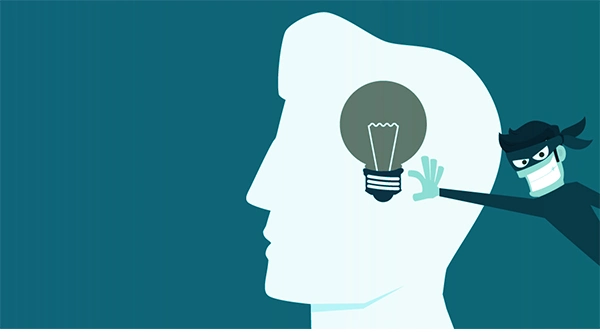
To understand this better, let’s look at what plagiarism actually is and why avoiding it is crucial for academic and professional writing.
Key Takeaways
- Plagiarism means to use someone else’s words, ideas, or work and present the same as your own content without the original creator’s permission
- It damages peer trust and presents you as a dishonest person with a low sense of responsibility or ethics
- Plagiarism, intentional or unintentional, in small amounts or just a slight hint, results in severe consequences both academically and professionally
- The only way for writers to maintain academic integrity and professional credibility is to be committed to originality
What Is Plagiarism?
Plagiarism means to use someone else’s words, ideas, or work and present the same as your own content without the original creator’s permission or without giving the owner any proper credit.
In academia, plagiarism is seen as theft.
Your work is your intellectual property, and the law provides you with full rights over how and where you want to use it. Therefore, if someone copies or plagiarises it, they are prone to face strict academic or legal actions thereafter. This can include failing grades, expulsion, or even legal consequences.
Types of Plagiarism
In general, plagiarism appears in several forms. So, to help you get a better and clearer idea of what is counted as plagiarism, here is a list of some of the most common types of plagiarism:
- Direct plagiarism: This type of plagiarism occurs when writers copy word-for-word text from a source and don’t even cite it.
- Paraphrasing plagiarism: This kind of plagiarism occurs when writers usually rephrase the original content, but even if the words are swapped, the core message remains the same. Remember, even if the words are yours, if you’re found to be using someone’s ideas without citing the person, it is still considered plagiarism.
- Mosaic plagiarism: it happens when writers accidentally mix the copied phrases with original writing
- Self-plagiarism: For many writers, reusing previous work in new posts in itself is harmless. However, practically, that is surely not the case. Even if you reuse your own previously published content without citation, it’s still counted as plagiarism.
Why Avoiding Plagiarism Is Important in Academic and Professional Writing
Here are some reasons that will surely prove to you why avoiding plagiarism is mandatory for professional and academic writing.
Protects Academic Integrity
The sole purpose of education is to evoke a sense of honesty and responsibility in students’ minds and train them to think critically and build up their own understanding on every topic. And honestly, this can only be achieved when you commit to originality.
Teachers assign essays, reports, and research projects to properly understand how students actually analyze and explain information in their own way.
However, in such situations, if you copy others’ work instead of expressing your own understanding, you would most likely not make any valuable impact.
Builds Professional Credibility
Professional writing represents your skills, knowledge, and reliability. Employers, clients, and colleagues demand authentic work and innovative, unique, and clear ideas.
Plagiarism, on the other hand, does the complete opposite. It damages peer trust and presents you as a dishonest person with a low sense of responsibility or ethics.
Therefore, only your commitment to originality can help you earn respect, authority, and long-term trust in your field.
Respects Intellectual Property
Every piece of writing, research paper, or report reflects the time and effort of its creator. Authors, researchers, and professionals deserve recognition for their contributions.
Plagiarism ignores this effort and claims credit for someone else’s work. Thus, this acts as a violation in academia and causes harm to the academic integrity and learning environment.
So, it’s quite important for writers to state their sources and ensure that the original sources always receive their deserved credit and appreciation.
Fun Fact
Modern plagiarism software is so advanced that researchers routinely get caught years or decades after the fact, which has even been used to detect government contract waste.
Encourages Critical Thinking and Learning
Let’s be clear about one thing: if you want to produce original content, you are forced to research first and then analyze, right?
This means originality requires the writers to build their own opinions about the topic and share their analytic thinking, something that cannot be copied.
Therefore, originality ultimately boosts knowledge and helps you better understand your field.
However, if you tend to copy others, you will miss this learning stage, and your content will be nothing more than recycled information, holding no value or insight.
Prevents Academic and Professional Consequences
Plagiarism, intentional or unintentional, in small amounts or just a slight hint, results in severe consequences both academically and professionally.
As a student, if you tend to submit a copied assignment or cheat in tests, you may fail assignments, lose grades, or face disciplinary action from the institution.
Similarly, in professional environments, plagiarism can lead to job termination, damaged reputation, or legal problems related to copyright violations.
Hence, the only way for writers to maintain academic integrity and professional credibility is to be committed to originality.
Practical Tips to Avoid Plagiarism
How to write content that reflects originality in every word? Here are some writing tips you surely should follow:
- Start writing early. Beginning early gives you enough time to write carefully and avoid copying content.
- Understand the material before writing. Read the source carefully first. Then explain the idea in your own words to keep the content original.
- Rephrase the content using an AI-powered paraphraser and remember to credit the source whenever you input another person’s ideas, data, or research.
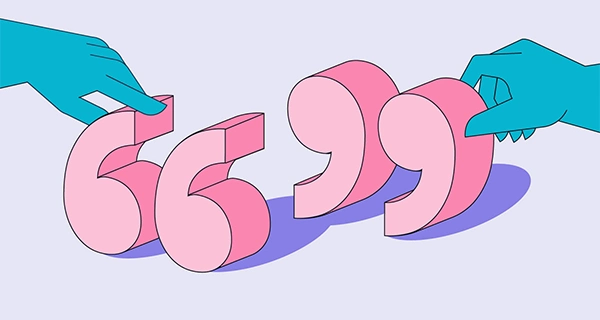
Use quotation marks for exact wording. If you copy a sentence exactly, place it in quotation marks and cite the author.
- Keep track of your sources. Save links, books, or references during research so you can cite them easily later.
- Always credit your sources. Whenever you use someone’s ideas, data, or research, mention the author. This keeps your work honest and shows readers where the information comes from.
- Add your own explanation. Use research to support your ideas, then explain the point in your own words.
- Use an advanced plagiarism checker to catch accidental similarities before submission.
Final Words
To conclude this, as a writer, you need to understand that strong writing isn’t just about filling pages; in fact, it’s actually about analyzing the situation and developing your own unique thoughts about the topic.
So, if you want to create original content, you must first learn to own your ideas. Once you get through this stage, you will surely be able to generate content that stands out, is unique, has a distinct voice, and shares insights that others cannot replicate easily.
Lastly, committing to originality isn’t just a rule. It’s the baseline for lasting credibility, better understanding, and work you can truly stand behind.
FAQs
Ans: The following are the types of plagiarism:
- Direct plagiarism
- Self-plagiarism
- Paraphrasing plagiarism
- Mosaic plagiarism
Ans: Originality can be maintained by researching on your own, understanding the concepts, and presenting them according to what you understood, and sharing self-research on the same.
Ans: It is important to avoid plagiarism because:
- It protects academic integrity
- Builds professional credibility
- Respects intellectual property
- Encourages critical thinking and learning
Ans: In professional environments, plagiarism can lead to job termination, damaged reputation, or legal problems related to copyright violations.