Did you know? 50% of patients report that a poor digital experience can ruin their entire relationship with a provider, while 39% say a good experience significantly influences their decision to stay with a provider. (Source)
In today’s fast-paced world, everyone is chasing their dreams and doing various jobs to achieve their goals, but on the other hand, we are getting distracted from making room for good habits, leading us to various lifestyle diseases.
Everyone would agree that we have to look for a clinic or a hospital to ensure the well-being of ourselves and family members every once in a while, and the need for patient-centred healthcare is becoming an unavoidable necessity.
As a son of mid-sixties parents and a father of two, I’m writing this blog post to highlight the role of faith and beliefs in the era of modern healthcare and provide some insights to the readers about it.
Let’s begin!

Key Takeaways
- Understanding what patient-centred healthcare is
- Discovering why ethics and values are necessary in this sector
- Decoding the teaching as a professional skill
- Looking at the ways to build a strong community
What Patient-Centered Healthcare Education Really Means
Recently, I was studying a case study on this topic, and it states that “Patient-centred care requires health care professionals to have the ability to form therapeutic interpersonal relationships that elicit patients’ true wishes and recognise and respond to their needs and emotional concerns.”(Source).
In simple words, this approach revolves around serving patients according to their preferences and beliefs to tackle them. Various renowned institutions like Christian nursing colleges promote the studies of this domain to train the new generation of medical experts.
Interesting Facts
Studies of healthcare students show they have a strong belief in the importance of patient-centred care and its role in quality healthcare.
Why Values and Ethics are Essential in Healthcare
After studying numerous practical grounds, I can say that healthcare is the only industry where staying authentic and relevant depends on your morals and ethics because people will invest in the service if the provider has some kind of integrity.
Being true to your work and giving genuine medical facilities at affordable prices ensures a great connection of reliability and care with patients. It is also seen that it positively affects the prognosis of people in pain.
Teaching Compassion as a Key Professional Skill
“No act of Kindness, no matter how small, is ever wasted”. This small yet powerful quote by Aesop tells so many outcomes of what true nurturing and caring behavior can do to a person.
That’s why teaching patients about their medical discipline and lifestyle changes helps them to become better in almost no time while also making them an individual free from potential diseases.
Intriguing Insights
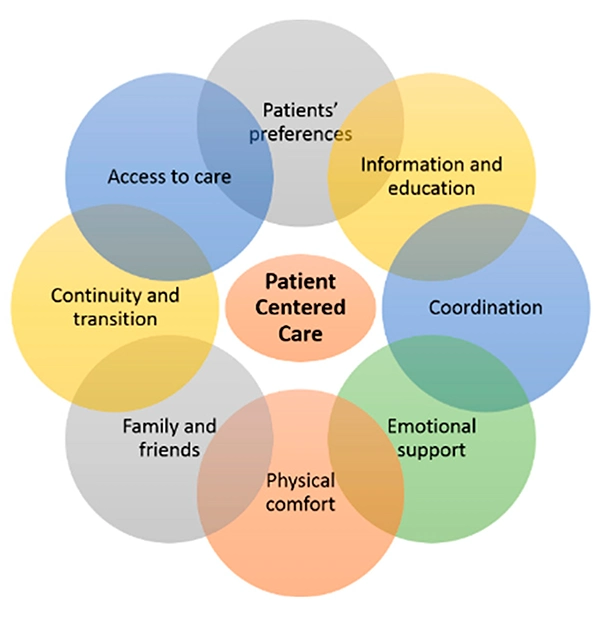
This infographic, right above, shows the core elements of patient-centered care
Building Strong Communication for Better Care
Today, I believe that everyone has issues in their life, and most people don’t talk about them with their family or loved ones due to their fear of judgment. As a medical practitioner, it’s your responsibility to become an active listener for the patients and communicate with them regarding their emotional, mental, and physical needs.
Respecting Different Beliefs in Patient Care
Last but not least, the need to know and respect different beliefs is very crucial, as these things vary person to person, and you can’t convince an individual with the same concepts and affirmations. Every individual has a varied set of faith in their morals or role models, and addressing it for motivation or consolidation is very necessary.
Supporting Emotional and Spiritual Needs
At the end of this entire topic, I want to talk about a very personal yet influential factor in the overall prognosis, which is understanding the emotional and spiritual needs of a patient.
It might seem like a very usual parameter when you compare it with others on the list, but it can draw significant changes as their willpower becomes stronger and the body releases positive enzymes. Readers who still have some doubts can go through this page again and keep striving for more such content.
Ans: It includes pivotal concepts like first contact, comprehensiveness, coordination, and continuity.
Ans: Patient education is very indispensable as it promotes patient-centered care and increases seriousness about medication and treatments.
Ans: This factor revolves around the numerous discomforts a patient faces, such as Pain, Position, Personal Hygiene, Periphery, and Pump.