Every business owner remembers that one point when they have a good product and happy customers but nothing is moving through the pipeline, the follow-up system is weak or completely broken down and it feels like everyone on the team is working hard but not getting much accomplished.
Have you found yourself in a similar situation as a business owner?
In my experience, the issue most often lies with the structure of the business rather than with either the product or the people.

Key Takeaways
- SDRs focus exclusively on finding and qualifying leads, allowing your closers to spend 100% of their time on “warm” opportunities.
- Outsourced SDR-as-a-service reduces ramp-up time from months to weeks and eliminates the long-term capital risk of in-house recruitment.
- Smart businesses use outsourced support to test outreach methods and buyer profiles before building internal capabilities.
What’s Actually Draining Your Sales Team
Here’s something most sales leaders don’t want to admit: their reps aren’t selling most of the time.
They’re now upgrading CRM systems, doing research on potential clients individually, writing individual emails from the beginning, and attending meetings that could have been a Slack message. Studies repeatedly demonstrate that less than one-third of the time they spend selling, even top producers, is spent on the actual selling activity. The remaining amount of time is deemed overhead.
Not only does overhead increase the time to complete things, but it also contributes to burnout.
When a talented salesperson spends their best hours on admin, they disengage. Then they leave. And suddenly you’re back to recruiting, retraining, and wondering why revenue growth keeps stalling despite everyone working hard.
The fix isn’t grinding harder. It’s building a smarter system.
Why the SDR Role Is So Underrated
If you’re not familiar with the Sales Development Representative function, here’s the short version. An SDR isn’t close. Their job is to find potential customers, make first contact, qualify genuine interest, and hand a warm prospect over to someone who can seal the deal.
That’s it. But that one role, done well, changes everything.
Once closers cease pursuing “cold” contacts and instead focus their time on “warm” leads (people who previously expressed an interest), their conversion rates will increase dramatically; The length of sales cycles will also diminish; and the energy of the team will change because they are producing actual and measurable results.
The challenge with building that form of organization on your own is that it requires a long duration of both capital and time to complete. The complete hiring, onboarding, training, and managing of subcontracted employees often takes several months before one single qualified lead is added to your pipeline. This can be a large investment for any company, either in the risk of losing capital or taking a significant amount of time to get any return on their investment.
Which is exactly why a lot of smart operators have started looking at this differently.

The Case for Outsourcing Your Sales Development
Outsourcing has been around since the beginning of the commercial enterprise as a form of business strategy. Companies have been outsourcing legal, accounting, and customer service for many years now. The big difference with outsourcing in today’s marketplace is that applied methodology has increased substantially with more complex applications of selling.
The best SDR-as-a-service providers today aren’t cold-calling shops. They understand your brand, your buyer, and your market. They bring processes and tools that would take an early-stage business years to build on its own. And they can start producing results in weeks rather than quarters.
But before you sign anything, you need a realistic picture of what you’re getting into financially. With providers like Wing Assistant, you can get a clear breakdown upfront, but it’s still worth doing your homework across the market. Knowing the sdr assistant cost before committing is non-negotiable, because pricing models vary wildly and what looks affordable upfront can look very different once you dig into the details.
A reputable vendor will provide full disclosure about their pricing structure, total cost of delivery, and expected return over time. Don’t simply evaluate a monthly fee; fully evaluate the cost per qualified opportunity. Inquire how the vendor manages underperforming programs, and ask about ramp-up times. These performance indicators will indicate the true performance of the vendor.
Picking the Right Partner (and Avoiding the Wrong One)
Not every outsourced SDR provider is worth your time. The evaluation process matters more than most people realize.
While many organizations have sold well within the enterprise software space, that doesn’t mean those same vendors will perform well selling into professional services or health care; each industry has different buyers, different messaging, and different objections. Working with a vendor who has previously sold in these industries will save you from learning what works through trial and error on your budget.
Ask for tangible examples, such as anonymized phone recordings and outreach case studies, and request references from clients in the same industry prior to the sale, and follow through on those calls; they are anything but a formality.
Pay close attention to how they talk about reporting. What gets tracked? How often do you see the data? Can you actually understand what’s working and what isn’t? If a provider is vague about measurement, walk away. That vagueness will only get more frustrating over time.

Using Outside Support to Build Something Internal
Here’s an approach that works particularly well for growing businesses: treat outsourced SDR support not as a permanent solution, but as a launchpad while you build internal capability in parallel.
With your new vendor working to fill your pipeline, you will now gain insight into your potential buyers’ preferences; which outreach methods get the best results from potential buyers, which customer profiles generate revenue in the shortest time, and what key attributes qualify potential buyers in your marketplace.
By the time you’re ready to bring things in-house, you are not guessing. You have real data, proven templates, and a clear benchmark for what performance should look like. That modification becomes far smoother than building something from scratch with nothing to reference.
This kind of learning mindset matters beyond just sales development. Business owners who stay curious and keep building their knowledge consistently make better calls, in hiring, strategy, partnerships, all of it.
Stop Measuring the Wrong Things
One of the most common mistakes in sales development is optimizing for activity rather than outcomes.
Calls made. Emails sent. LinkedIn messages dispatched. These are inputs. They tell you people are busy. They don’t tell you whether the business is actually moving forward.
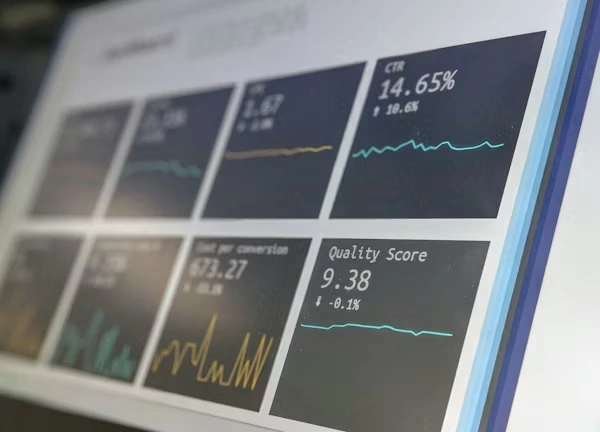
It helps to track specific metrics to gauge how effective your outreach is. At what percentage does outreach turn into actual conversations; how many of those conversations turn into qualified opportunities; and how many of those opportunities close and at what dollar amount?
If a majority of your deals sourced through the SDR channel are closing consistently and at decent dollar amounts, then you have a good thermometer reading for the overall health of your sales. If a majority of your SDR deals are stalling or not closing at all, then you should consider making an upstream change – whether it be around your targeted lists, your messaging in the outreach process, or how leads are handed off.
Expect a ramp period. No program hits its ceiling in the first few weeks. Set realistic benchmarks, review performance with honesty, and be willing to make adjustments without treating every setback as a crisis.
The Real Difference Between Businesses That Scale and Those That Stall
Some businesses have a great quarter here and there. Others build something that compounds more pipeline, better conversion, stronger results year after year.
The difference isn’t luck. It’s rarely even talent.
It’s usually systems.
Companies that build revenue that lasts will design, test and continuously improve their sales processes rather than romanticizing them, or relying solely on superstars to complete them. Designing successful sales development regardless of whether it’s internal, external or a combination of the two, will drive increased growth and help make growth predictable versus by chance.
A well-designed prospecting process that runs reliably every week will outperform an individual hire over time. A qualification framework that accurately measures fit and readiness produces better results in every subsequent stage in the sales process. Closers will no longer waste their energy on deals that were never going to close, and they will win more of the deals that do.
Sales development internal, outsourced, or some combination, sits right at the center of that design. Get it right and you’re not just filling a pipeline. You’re building a machine that makes growth predictable rather than accidental.
The path forward isn’t complicated. Be honest about where your gaps are. Choose the structure that fits where you actually are right now. Measure what matters. And keep learning, because the businesses that stay sharp are the ones that stay ahead.
FAQs
They handle the “top-of-funnel” work: researching prospects, making first contact, and qualifying interest before handing the lead to a closer.
Most outsourced providers can begin producing qualified leads within 3 to 4 weeks, depending on the complexity of your industry.
Outsourcing is often better for scaling quickly without capital risk, while internal teams are better for long-term, highly specialized brand alignment.