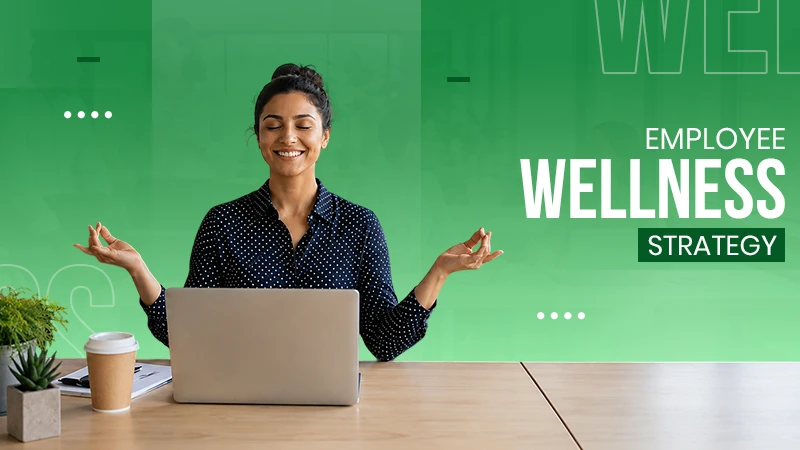
Modern organizations are undergoing a significant shift in how they define success. While productivity, revenue, and operational efficiency remain essential, companies are increasingly recognizing that long-term performance is closely tied to employee wellbeing.
This shift is the result of a growing understanding that a healthy, supported workforce is a more engaged, stable and ultimately effective workforce.
Workplace strategy is no longer just about output. It now looks at how employees experience their role, how they manage stress and how supported they feel in their personal and professional lives.
Key Takeaways
- Exploring the evolution of employee support
- Analyzing why wellbeing impacts organizational performance
- Understanding how companies are expanding their responsibility
- Explaining workplace strategy as a long-term investment
The Evolution Of Employee Support
Traditionally, employee support systems were relatively limited in scope.
However, as expectations have evolved, so too has the definition of what it means to support employees effectively.
Today, organizations are expected to provide more comprehensive structures that contribute to overall wellbeing.
This includes :
- mental health awareness
- flexible working arrangements
- professional development opportunities
- and access to resources that help employees feel secure and valued.
The modern workplace is increasingly defined by its ability to balance performance expectations with human-centred support systems.
Employee wellbeing is no longer viewed as a secondary concern. Research and practical experience consistently show that wellbeing directly influences productivity, retention, and workplace culture.
When employees feel supported, they are more likely to be engaged in their work, communicate effectively with colleagues, and remain committed to long-term organizational goals.
For this reason, many companies are now integrating structured support systems into their broader organizational strategy rather than treating them as optional benefits.
The Role Of Structured Support Systems
One of the most important developments in workplace strategy is the formalization of employee support systems.
This can include access to healthcare programs, financial planning resources, and structured benefits that help employees manage long-term security.
In many organizations, group-based benefit structures such as group medical coverage have become an important part of this framework, offering employees coordinated access to healthcare protection as part of a broader wellbeing strategy.
How Companies Are Expanding Their Responsibility
As workplace expectations continue to evolve, companies are increasingly expanding their role beyond traditional employment.
This shift has led to more holistic approaches that combine :
- Financial
- Emotional
- and professional support.
Organizations are investing in programs that help employees navigate both work-related and personal challenges more effectively.
The result is a workplace environment that is more stable, more predictable, and more aligned with long-term employee needs.
The Connection Between Security And Engagement
One of the most important factors influencing employee engagement is a sense of security.
By contrast, environments that provide structured support systems tend to foster higher levels of trust and commitment.
This reciprocal relationship is becoming a defining characteristic of modern organizational culture.
Workplace Strategy As A Long-Term Investment
Companies are beginning to understand that employee support is not a short-term expense but a long-term investment.
While the immediate costs of implementing structured wellbeing programs may be visible, the long-term benefits often outweigh them significantly.
This shift in perspective reflects a broader evolution in how businesses define value creation.
The Future Of Employee-Centered Workplaces
Looking ahead, employee wellbeing is expected to become even more integrated into workplace strategy.
Rather than being treated as separate initiatives, wellbeing programs will likely become embedded into core business operations.
This integration will allow organizations to respond more effectively to employee needs while maintaining operational efficiency.
Conclusion
Employee wellbeing has moved from a peripheral concern to a central component of modern workplace strategy.
Organizations that recognize the importance of structured support systems are better positioned to build stable, engaged, and high-performing teams.
As expectations continue to evolve, the most successful companies will be those that understand the connection between employee care and organizational success.
FAQs
Ans: To summarise, macro factors include government regulations, economic conditions, societal trends, and national culture, all of which shape the work environment and influence employee well-being.
Ans: Being able to bounce back from negative experiences (resilience).Stronger relationships and higher self-esteem.
Ans: Employee wellbeing includes five elements: career, social, financial, physical and community.
Ans: Wellness comprises of eight mutually co-dependence dimensions:emotional, physical, occupational, interpersonal, spiritual, intellectual, environmental, cultural, and financial.