Digital learning management systems, development portals, and AI-powered platforms require constant verification, forcing students, instructors, and other learners to seek solutions to receive sms online without linking their personal phones to other databases.
When such personal phone numbers are tied to third-party learning portals, the risk of data exposure increases significantly. Some sites like Learningtoday.net may provide courses without signing up through your phone, but many other portals still utilize the same practices.

Let’s learn how modern learning platforms can ensure data privacy by utilizing a free usa phone number to inspect authentication responses, and more.
The Telecommunications Blueprint Behind Virtual Mobile Gateways
At the primary structural layer, virtual telecommunications platforms go through local cellular hardware and physical subscriber identity module (SIM) restrictions by direct interfacing methods with MNO core networks.
Using Short Message Peer-to-Peer protocols, software-based telecommunications systems establish lines over secure IP backbones directly to cloud dashboards or automated REST API endpoints.
When an e-learning platform, university portal, or certification engine issues a two-factor authentication (2FA) one-time password (OTP), the cellular packet moves through regional mobile switching centers. Cloud gateway extraction engines parse incoming GSM 03.38 or Unicode PDU packet frames in real time, isolating the numeric token and delivering it to client application sockets within milliseconds.
Decoupling physical smartphones from account activation workflows provides users with complete control over incoming telemetry data streams while guarding primary SIM cards from unverified third-party registries.
Core Network Performance Benchmarks for Educational Platforms
EdTech developers, platform administrators, and online learners require reliable telecommunication infrastructure to maintain operational efficiency across global learning networks:
- 5G Latency Benchmarks: Sub-20ms 5G latency guarantees rapid OTP packet delivery before strict authentication timer windows expire on target security servers.
- Proxy and Gateway Throughput: Dedicated mobile gateway pipelines deliver consistent 4G/5G speeds ranging from 10-50 Mbps, supporting high-frequency automated verification requests without causing network connectivity to throttle.
- Scraping and Payload Extraction Rates: Enterprise-grade virtual identity networks hold up to a 98% scraping success rate and payload extraction efficiency across international carrier routes.
- Systemic Ad Fraud and Threat Mitigation: Dedicated single-tenant number allocation protects digital identity layers, shielding corporate and student workflows in an industry losing over $40B+ to ad fraud losses annually.
Single-Tenant Number Isolation vs. Shared Public Directories
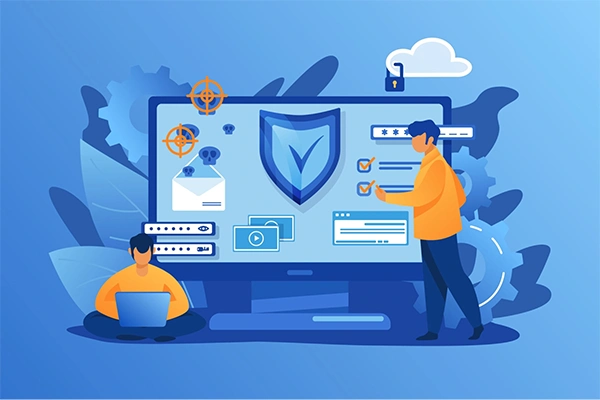
A frequent failure point in online registration flows is relying on open public temporary phone directories. Public directories broadcast incoming text messages on unencrypted web feeds, creating a severe security vulnerability where incoming verification codes, password reset links, and student account identifiers remain visible to any web scraper monitoring public traffic.
Public shared pools also suffer from reduced platform trust scores. When hundreds of unrelated users attempt to create accounts using similar phone numbers, automated fraud detection engines swiftly flag the underlying DID as a suspicious asset. Target platforms instantly prompt CAPTCHA challenges, identity verification steps, or permanent account shadowbans.
Single-tenant virtual numbers solve this by incorporating strict database isolation. Every allocated number, whether rented for a small period of time or leased long-term for ongoing system maintenance, links exclusively to one client token.
Comparative Performance Matrix: Public Shared Directories vs. Single-Tenant Virtual DIDs
| Operational & Technical Parameter | Public Shared Directories | Dedicated Single-Tenant Virtual DIDs |
| Platform Trust Score | Low – rapidly blacklisted by automated risk engines | High – clean routing history over legitimate MNO backbones |
| Data Confidentiality | Zero – incoming SMS strings are visible to all public web traffic | Absolute – incoming payloads are encrypted and token-restricted |
| Delivery Speed | Variable – bottlenecked by public request queues | Sub-second delivery via direct SMPP server connections |
| CI/CD Automated Testing | Unreliable – causes false test failures and script breaks | Optimal – fully compatible with REST API programmatic runners |
Automating Verification Flows in EdTech Development and Testing
Software engineers designing online learning management systems, career certification tools, or automated test runners need programmatic control over phone verification methods.
Including virtual number APIs into continuous integration and deployment (CI/CD) pipelines eliminates manual intervention during preliminary tests.
Below is an enterprise-grade Python workflow demonstrating line allocation and automated token extraction.
Step 1: Programmatic Line Allocation via REST API
The automated script issues an authenticated GET request to the virtual gateway, specifying the required regional origin and target service category.
The gateway keeps an unassigned line and returns JSON metadata containing the session ID and phone number.
import requests
import time
import re
API_TOKEN = “your_edtech_api_token_here”
BASE_URL = “https://api.provider.com/v1”
def allocate_virtual_line(country=”usa”, service=”learning_portal”):
endpoint = f”{BASE_URL}/getNumber?token={API_TOKEN}&country={country}&service={service}”
response = requests.get(endpoint).json()
if response.get(“status”) == “SUCCESS”:
return response.get(“tzid”), response.get(“phone_number”)
raise SystemError(f”Line Allocation Failed: {response}”)
session_id, phone_number = allocate_virtual_line()
print(f”Allocated Line: {phone_number} (Session ID: {session_id})”)
Step 2: Asynchronous Message Polling and Regex Extraction
Once the browser runner inputs the virtual phone number into the learning platform registration interface, the asynchronous polling feature requests the API endpoint to capture the upcoming payload and parse the numerical verification credential.
def fetch_verification_otp(session_id, timeout=60, poll_interval=3):
query_url = f”{BASE_URL}/getSMS?token={API_TOKEN}&tzid={session_id}”
start_time = time.time()
while time.time() – start_time < timeout:
response = requests.get(query_url).json()
if response.get(“status”) == “RECEIVED”:
raw_text = response.get(“sms_text”)
# Extract 4 to 6 digit numerical verification code using regex
otp_match = re.search(r’\b\d{4,6}\b’, raw_text)
if otp_match:
return otp_match.group(0)
time.sleep(poll_interval)
raise TimeoutError(“Verification code was not delivered within the expected execution window.”)
otp_code = fetch_verification_otp(session_id)
print(f”Extracted Verification Code: {otp_code}”)
TCP/IP Socket Tuning and Network Optimization Standards
Executing high-volume automated verification tasks across cloud instances needs accurate network layer tuning. Incorrect MTU packet frame sizes or improper TTL values across proxy hops cause the fragmentation of the data packet, thereby leading to dropped TCP socket connections during rapid API polling routines.
Maintaining persistent HTTP socket pools reduces TLS handshake overhead during high-frequency requests. Network architects and QA engineers should also verify that the geographical subnet of their residential or mobile proxy IPs matches the country origin of their assigned virtual phone numbers.
Aligning proxy geolocations with carrier routing paths completes platform anti-fraud procedures and ensures high account creation success rates.

Best Practices for EdTech Developers, Instructors, and Professionals
Incorporating resilient privacy standards while participating in online courses, testing new educational applications, or managing digital classrooms requires the proper implementation of proactive operational habits:
- Compartmentalize Personal Mobile Identifiers: Restrict physical cell phone numbers exclusively to personal contacts, primary financial institutions, and official university or employer records.
- Deploy Short-Term Virtual Rentals for One-Off Registrations: Utilize 15-minute single-use virtual line rentals when testing multiple software tools, downloading educational materials, or registering for temporary web access.
- Maintain Long-Term Leases for Core Learning Accounts: Secure dedicated single-tenant virtual DIDs for primary learning management system profiles, portfolio hosts, and certification portals requiring ongoing 2FA logins.
- Vault API Credentials Securely: Store virtual telecom API credentials inside encrypted key vaults (such as HashiCorp Vault or AWS Secrets Manager) instead of including raw text keys in base repositories.
Decoupling physical cellular hardware from routine online registrations provides professionals, students, and EdTech platforms with a tough, unique defense against commercial data harvesting.
Integrating single-tenant virtual numbers into daily workflows ensures smooth digital learning while keeping sensitive personal data fully protected.
FAQs
Ans: The following are the operational habits:
Compartmentalization of personal mobile identifiers
Deploying short-term virtual rentals for registrations
Maintaining long-term leases for core learning accounts
Ans: Including virtual number APIs in continuous integration and deployment (CI/CD) pipelines eliminates manual intervention during preliminary tests.
Ans: Public directories broadcast incoming text messages on unencrypted web feeds, creating a severe security vulnerability where incoming data remains visible to any web scraper monitoring public traffic.